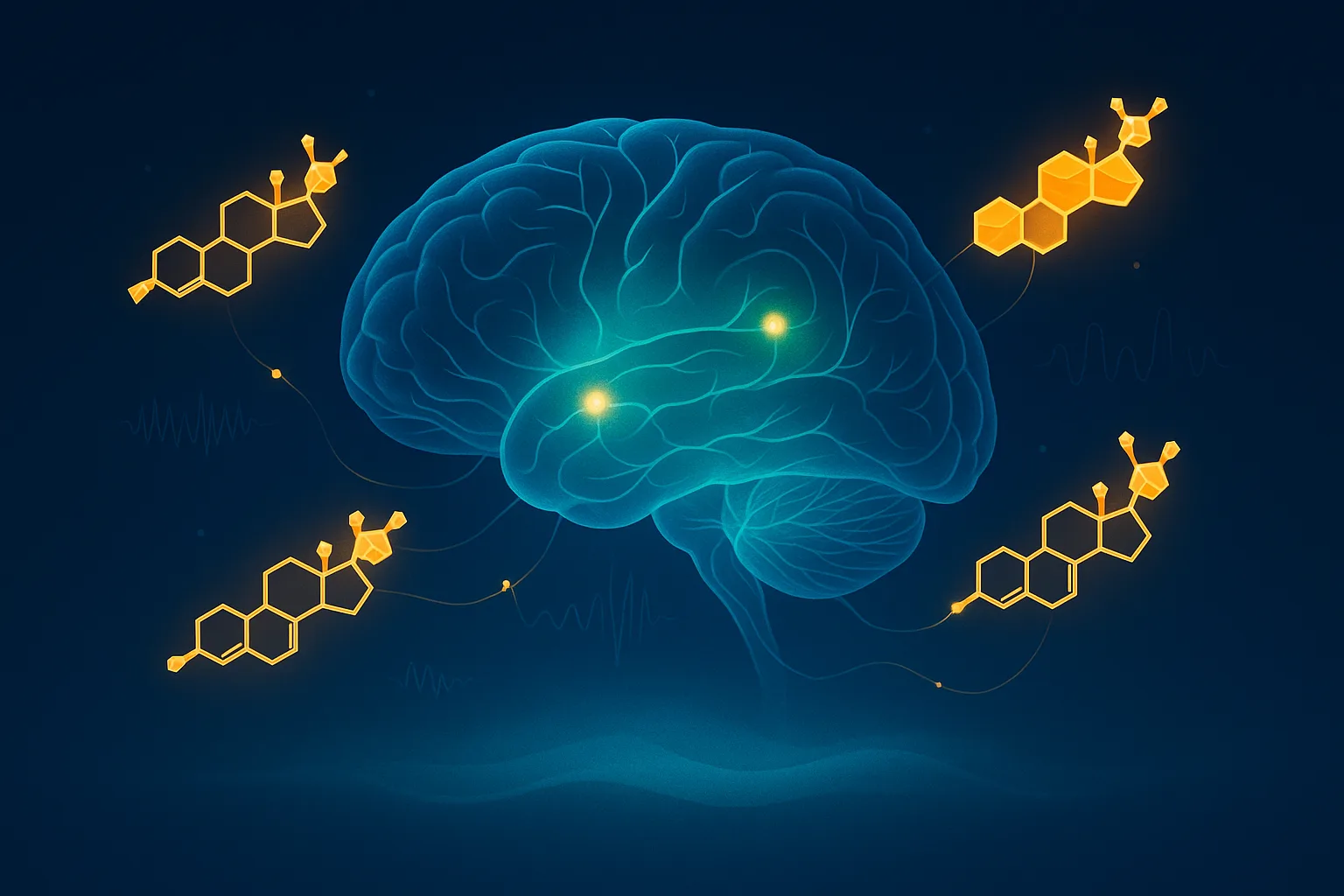
You are reading the same paragraph for the third time and nothing sticks. You walk into a room and forget why. Words that used to come easily now take a few extra seconds to surface. The mental sharpness you took for granted at 30 is noticeably dulled at 40 or 50.
This is brain fog, and for a significant number of men, it is not aging -- it is low testosterone.
Testosterone is not just a muscle and libido hormone. It is a neuroactive steroid with receptors throughout the brain, directly influencing memory formation, attention, processing speed, and mood regulation. When levels drop, cognitive function often drops with them. And when levels are restored through TRT, many of these deficits are reversible.
A 2026 systematic review of 11 randomized controlled trials confirmed that testosterone therapy enhances specific cognitive domains -- particularly verbal memory and visuospatial processing -- in hypogonadal men. But the relationship between testosterone and cognition is more nuanced than "more is better." Understanding how testosterone acts in the brain, which cognitive symptoms respond to treatment, and what the evidence actually supports is essential for men evaluating whether TRT can clear the fog.
How Testosterone Acts in the Brain
The brain is one of testosterone's primary target organs. Androgen receptors are densely concentrated in the hippocampus (memory formation), prefrontal cortex (executive function, decision-making, working memory), and amygdala (emotional processing and motivation). Testosterone reaches these receptors both directly and after local conversion to estradiol or dihydrotestosterone.
Three primary mechanisms explain testosterone's cognitive effects:
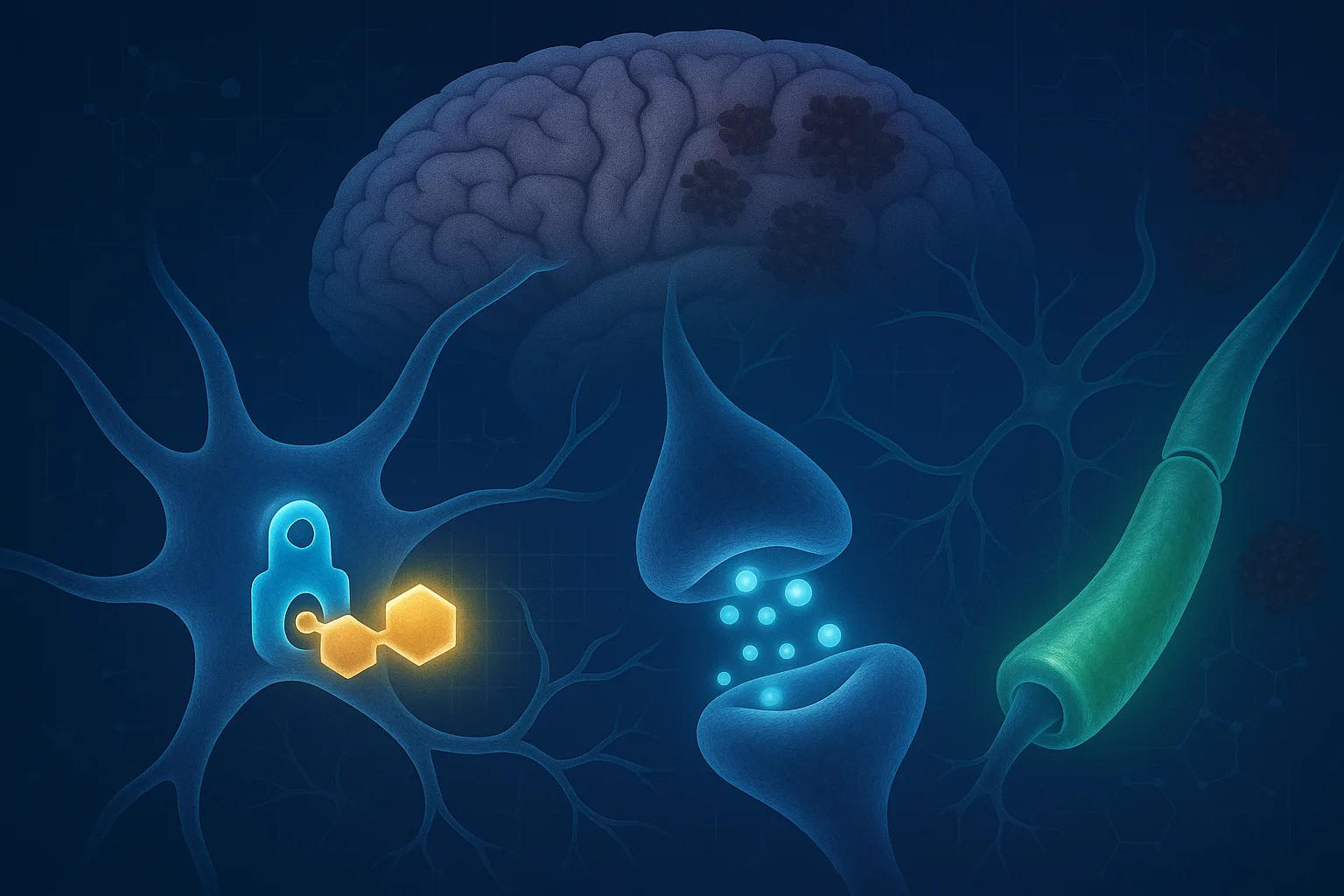
Synaptic plasticity and memory. Testosterone promotes the expression of synaptic proteins including synapsin 1 and PSD95, which strengthen connections between neurons. A study published in the Journal of Neuroendocrinology demonstrated that testosterone reduces hippocampal synaptic damage through both androgen receptor-dependent and independent pathways (Yao et al., 2023). This is significant because hippocampal synaptic damage is one of the earliest changes in Alzheimer disease.
Neurotransmitter modulation. Testosterone influences the dopaminergic and cholinergic systems -- the same neurotransmitter pathways targeted by medications for ADHD and Alzheimer disease. Low testosterone is associated with reduced dopamine signaling, which manifests as decreased motivation, poor concentration, and reduced reward sensitivity. Restoring testosterone levels supports healthy dopamine function without the tolerance and dependency issues of stimulant medications.
Neuroprotection. Testosterone reduces neuroinflammation, supports myelin integrity (the protective sheath around nerve fibers), and may reduce the accumulation of beta-amyloid plaques associated with Alzheimer disease. A meta-analysis found that men with low testosterone have a 48 percent higher risk of developing Alzheimer disease compared to men with normal levels (Lv et al., 2016).
These mechanisms explain why low testosterone symptoms frequently include cognitive complaints that men describe as brain fog, poor memory, difficulty multitasking, and mental fatigue -- and why these symptoms often improve when testosterone is restored to physiological levels.
What the 2026 Systematic Review Found
The most comprehensive recent analysis of testosterone therapy and cognitive function was published in February 2026 in Cureus. Canal de Velasco and colleagues conducted a PRISMA-compliant systematic review of 11 randomized controlled trials encompassing over 600 men aged 18 to 85, evaluating TRT against placebo or standard care with psychiatric and cognitive endpoints (Canal de Velasco et al., 2026).
Key findings:
Verbal memory improvements. TRT enhanced verbal memory and visuospatial processing at statistically significant levels (p < 0.05) compared to placebo, particularly in hypogonadal and older men. Cherrier and colleagues demonstrated that these improvements were dose-dependent, with moderate testosterone increases producing better outcomes than either low or supraphysiological levels.
Depression as adjunctive therapy. TRT significantly improved depressive symptoms in men with treatment-resistant depression (p < 0.05), as measured by the Hamilton Depression Rating Scale. This is relevant because depression itself impairs cognitive function -- treating the mood component can independently improve attention, processing speed, and working memory.
Safety profile. No major cardiovascular, hepatic, or thromboembolic complications were reported across the 11 trials. Minor adverse events included mild acne (less than 3 percent), edema (less than 5 percent), and injection-site reactions (less than 4 percent). Hematocrit increases occurred in some participants and occasionally required intervention.
Limitations acknowledged. The review noted moderate evidence quality due to small sample sizes, relatively brief intervention periods (6 to 24 weeks), and heterogeneous methodologies. The authors concluded that larger, long-term RCTs are needed to confirm efficacy, optimize dosing, and define long-term neuropsychiatric safety.
Clinical recommendation. TRT should be considered a complementary approach in the management of depressive and cognitive symptoms in hypogonadal men, implemented under endocrinological supervision -- not as a standalone cognitive enhancement for men with normal testosterone levels.
The Inverted U-Curve: Why More Is Not Better
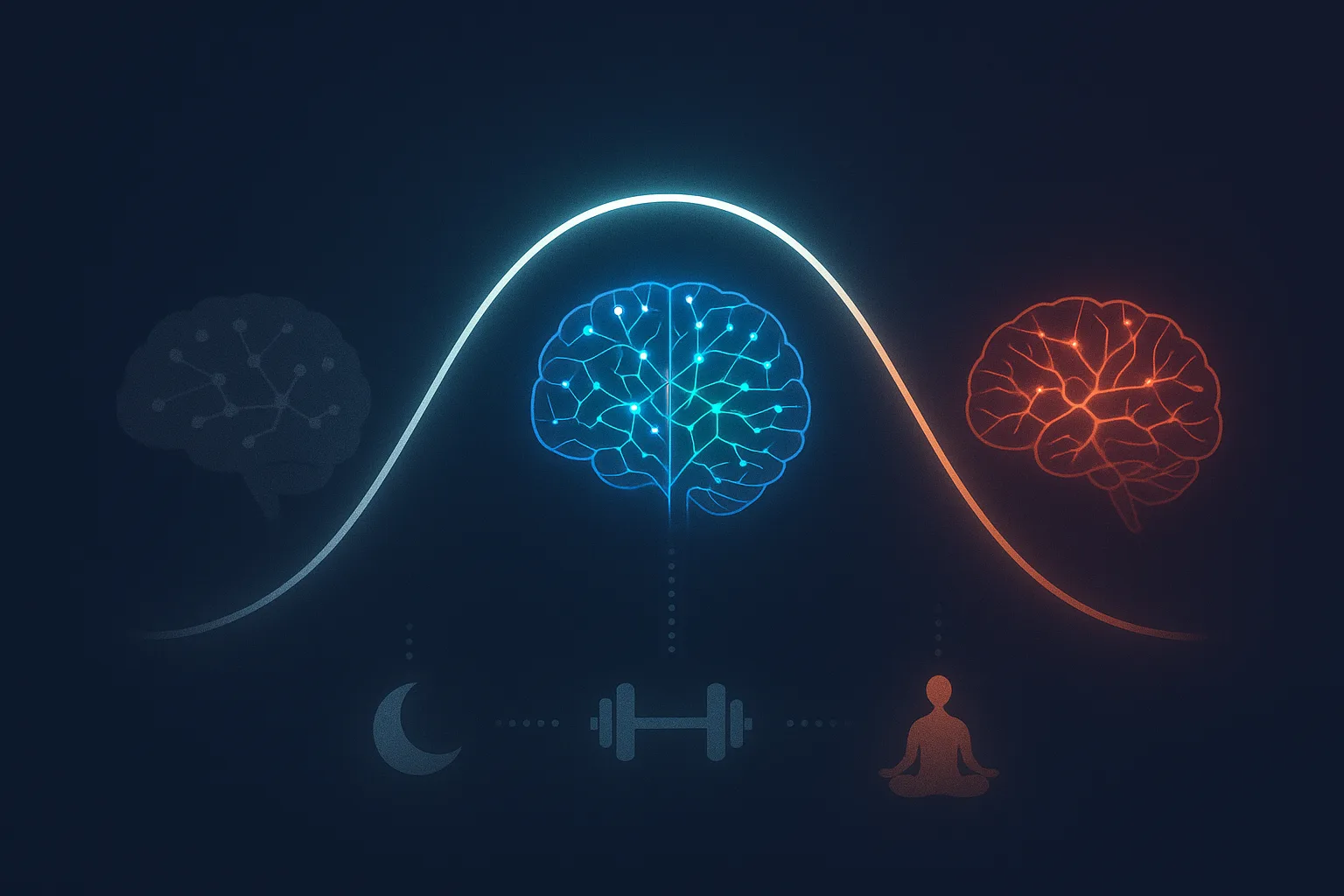
One of the most important findings from cognitive research on testosterone is the inverted U-shaped dose-response relationship. Both very low and supraphysiological testosterone levels are associated with poorer cognitive performance. The optimal zone for cognition sits within the normal physiological range.
This has practical implications for men on TRT:
Underdosed protocols that leave total testosterone below 400 ng/dL may not fully resolve cognitive symptoms. If your bloodwork shows levels in this range and brain fog persists, discuss a dose adjustment with your provider.
Overdosed protocols that push total testosterone above 1200 ng/dL or free testosterone well above the reference range can paradoxically impair cognitive function. Men in this range sometimes report anxiety, racing thoughts, impaired sleep, and a scattered feeling that mimics the brain fog they were trying to fix. The mechanism likely involves excessive estradiol conversion (testosterone aromatizes to estradiol, and both too much and too little estradiol impair cognition) and disrupted sleep architecture.
The sweet spot for most men falls between 500 and 800 ng/dL total testosterone with free testosterone in the upper third of the reference range. This aligns with where the largest cognitive benefits were observed in the Cherrier dose-response studies. Your TRT dosage should be titrated by trough levels and symptom response, including cognitive symptoms -- not just libido and energy.
Five Reasons Brain Fog Persists on TRT (and What to Do)
Starting TRT and still dealing with brain fog is frustrating. Before assuming testosterone is not the answer, investigate these common causes:
1. Estradiol Is Out of Range
Estradiol is essential for male brain function -- it is actually the locally converted form of testosterone that activates many cognitive pathways in the hippocampus. But too much estradiol causes cognitive sluggishness, emotional blunting, and a heavy, waterlogged feeling. Too little (often from overuse of aromatase inhibitors) causes anxiety, flat mood, joint pain, and its own form of mental dullness.
Check your estradiol levels and testosterone-to-estradiol ratio. Most men feel cognitively sharpest with sensitive estradiol between 20 and 35 pg/mL. If yours is above 50 or below 15, that is likely contributing to persistent brain fog.
2. Sleep Quality Is Poor
Testosterone and sleep have a bidirectional relationship. TRT can worsen sleep apnea in susceptible men, and untreated sleep apnea causes profound cognitive impairment -- often worse than the brain fog from low testosterone itself. Even without apnea, poor sleep impairs memory consolidation, which requires deep slow-wave sleep and REM sleep.
If you snore, wake unrefreshed, or your partner reports breathing pauses, get a sleep study. Treating sleep apnea with CPAP while on TRT often produces dramatic cognitive improvements within 2 to 4 weeks.
3. Hematocrit Is Too High
TRT stimulates erythropoiesis -- red blood cell production. When hematocrit rises above 54 percent, blood viscosity increases and cerebral blood flow decreases. This reduced oxygen delivery to the brain can cause headaches, dizziness, and cognitive dulling. It is a fixable problem but one that requires monitoring and may necessitate therapeutic phlebotomy or dose adjustment.
4. Thyroid Function Is Not Optimized
Thyroid hormones and testosterone interact at multiple levels. Hypothyroidism (even subclinical) causes brain fog that is virtually indistinguishable from low-testosterone brain fog -- fatigue, poor memory, slowed processing speed, difficulty concentrating. A comprehensive TRT workup should include TSH and free T4 at minimum. If TSH is above 3.0 mIU/L with cognitive symptoms, further thyroid evaluation is warranted. A good TRT clinic evaluates the full hormonal picture.
5. You Are Not Addressing Lifestyle Fundamentals
TRT optimizes the hormonal foundation, but cognitive function also depends on cardiovascular fitness, metabolic health, cortisol management, and nutrient status. Men who start TRT but continue to eat poorly, avoid exercise, sleep 5 hours per night, and drink excessively often see only partial cognitive improvement. The exercise guide and supplement recommendations cover the interventions with the strongest evidence for compounding TRT's cognitive benefits.