Your testosterone levels look good on paper. Your protocol is dialed in. But you still feel like something is off -- the energy is not there, the body composition is stuck, sleep is mediocre. The missing variable might not be testosterone at all. It might be cortisol.
Cortisol and testosterone exist in a direct hormonal tug-of-war. When one goes up, the other goes down. And for men on TRT who are also dealing with work stress, poor sleep, overtraining, or chronic anxiety, elevated cortisol can effectively cancel out many of the benefits testosterone is supposed to deliver.
This is not about eliminating stress from your life. That is not realistic. This is about understanding the specific mechanisms through which cortisol undermines TRT and implementing the evidence-based interventions that shift the balance back in your favor.
The Cortisol-Testosterone Axis: Why They Fight Each Other
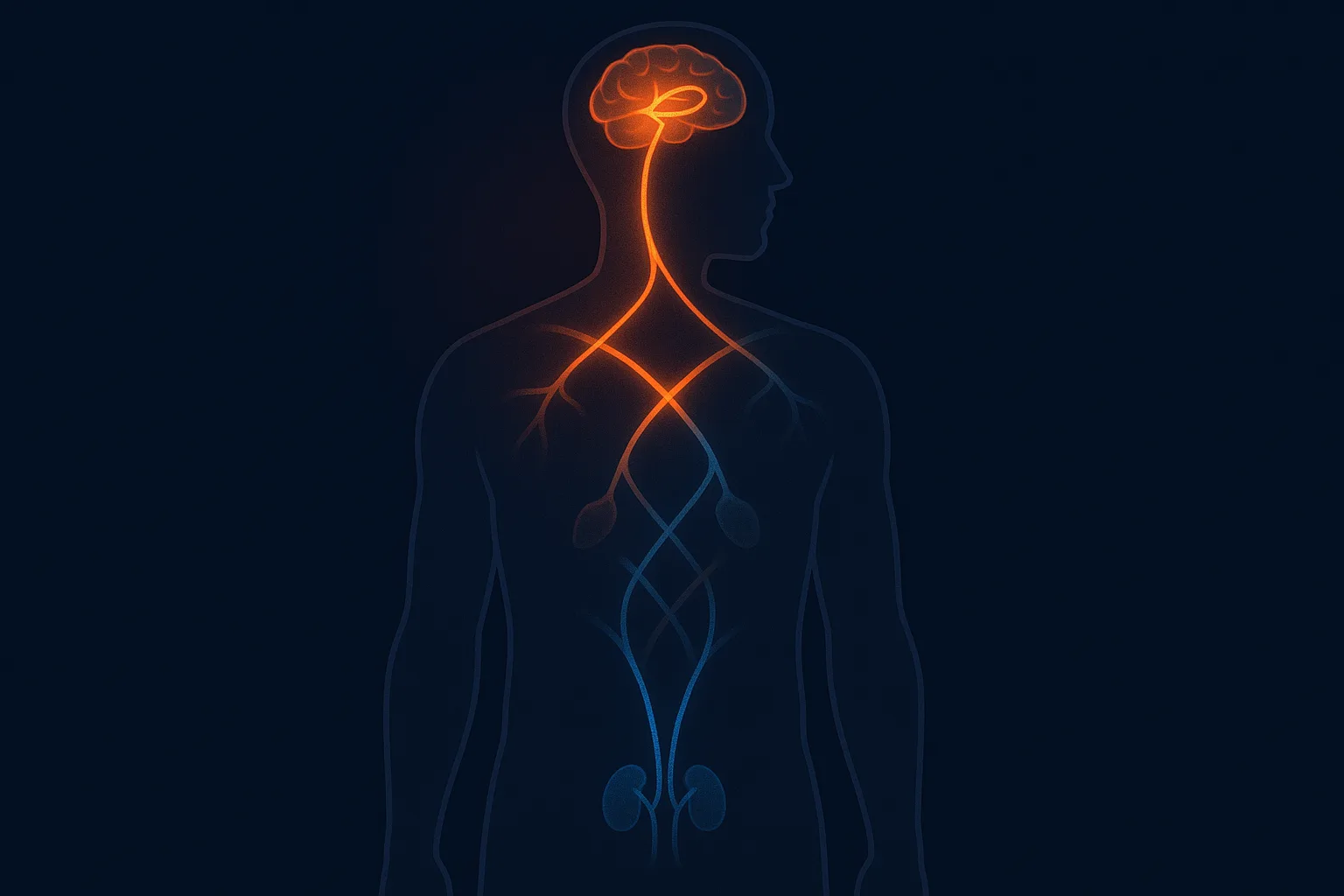
The hypothalamic-pituitary-adrenal (HPA) axis controls cortisol production. The hypothalamic-pituitary-gonadal (HPG) axis controls testosterone production. These two systems share upstream signaling from the hypothalamus, and they inhibit each other bidirectionally.
When cortisol rises, three things happen to testosterone:
Direct testicular suppression. A landmark study demonstrated that acute cortisol elevation -- whether from endogenous stress or exogenous hydrocortisone -- rapidly suppresses circulating testosterone levels without changes in LH or prolactin, indicating direct action on the testes rather than central suppression alone (Cumming et al., 1983).
SHBG elevation. Chronic stress increases sex hormone-binding globulin, which binds circulating testosterone and reduces the bioavailable free fraction -- the testosterone that actually activates androgen receptors in muscle, brain, and other target tissues.
Precursor competition. Both cortisol and testosterone are synthesized from cholesterol. Under chronic stress, the body prioritizes cortisol production over testosterone synthesis, effectively diverting raw materials away from androgen production. This is sometimes called the "cortisol steal" or "pregnenolone steal" pathway.
A 2025 review in the Journal of Clinical Endocrinology and Metabolism confirmed that testosterone suppression during sustained stress is a centrally mediated, reversible adaptation involving suppressed GnRH and LH pulsatility -- not permanent testicular failure (Friedl et al., 2025). The good news: reverse the stress signal, and the suppression lifts.
Why Cortisol Matters Even When You Are on Exogenous Testosterone
A common assumption is that since TRT provides exogenous testosterone, cortisol cannot suppress your levels. This is partially true -- your total testosterone on bloodwork is determined by your injection dose and frequency, not by testicular output.
But cortisol still undermines TRT outcomes through several mechanisms that exogenous testosterone does not bypass:
- Increased aromatase activity. Cortisol promotes visceral fat accumulation. Visceral fat is the primary site of aromatase activity, the enzyme that converts testosterone to estradiol. More cortisol means more belly fat means more estrogen conversion, which can cause water retention, mood changes, and gynecomastia.
- Impaired muscle protein synthesis. Cortisol is catabolic. It directly opposes the anabolic effects of testosterone on muscle tissue. Men on TRT with chronically elevated cortisol often report poor training recovery and stalled muscle gains despite adequate testosterone levels.
- Sleep disruption. Elevated evening cortisol prevents the natural cortisol decline needed for melatonin release and deep sleep onset. Poor sleep further elevates cortisol the next day, creating a self-reinforcing cycle that TRT alone cannot break.
- Mood and cognitive effects. Chronic cortisol elevation is associated with anxiety, irritability, and impaired cognitive function -- symptoms that overlap with and can be mistaken for suboptimal testosterone levels, leading to unnecessary dose increases.
If you are on a stable TRT protocol with good total and free testosterone numbers but still feel tired or stuck, cortisol is one of the first variables to investigate.
Six Evidence-Based Strategies to Lower Cortisol on TRT
1. Fix Your Sleep Architecture
Sleep is the single most powerful cortisol regulator. A single night of restricted sleep (4 to 5 hours) can elevate next-day cortisol by 37 percent and suppress testosterone by 10 to 15 percent. On TRT, the testosterone suppression is less relevant, but the cortisol spike and its downstream effects -- increased aromatase, impaired recovery, elevated blood pressure -- are just as damaging.
Protocol:
- Target 7 to 9 hours of total sleep time consistently
- Keep a fixed wake time within a 30-minute window, even on weekends
- Stop screens 60 minutes before bed or use blue-light blocking glasses
- Keep the bedroom at 65 to 68 degrees Fahrenheit
- If you are on TRT and experiencing sleep apnea symptoms, get a sleep study -- TRT can worsen untreated OSA, which further elevates cortisol
Magnesium glycinate at 400 mg before bed supports both sleep quality and cortisol reduction. This is covered in the supplement guide as a foundational TRT supplement.
2. Time Your Training to Optimize the Testosterone-to-Cortisol Ratio
Resistance training temporarily spikes both testosterone and cortisol. The goal is to maximize the testosterone response while minimizing the cortisol overshoot.
What the data shows:
- Sessions under 60 minutes produce the most favorable T:C ratio
- High-volume protocols (10+ sets per muscle group per session) elevate cortisol disproportionately compared to moderate-volume approaches
- Extended endurance sessions beyond 75 minutes can suppress testosterone recovery for up to 72 hours via sustained cortisol elevation
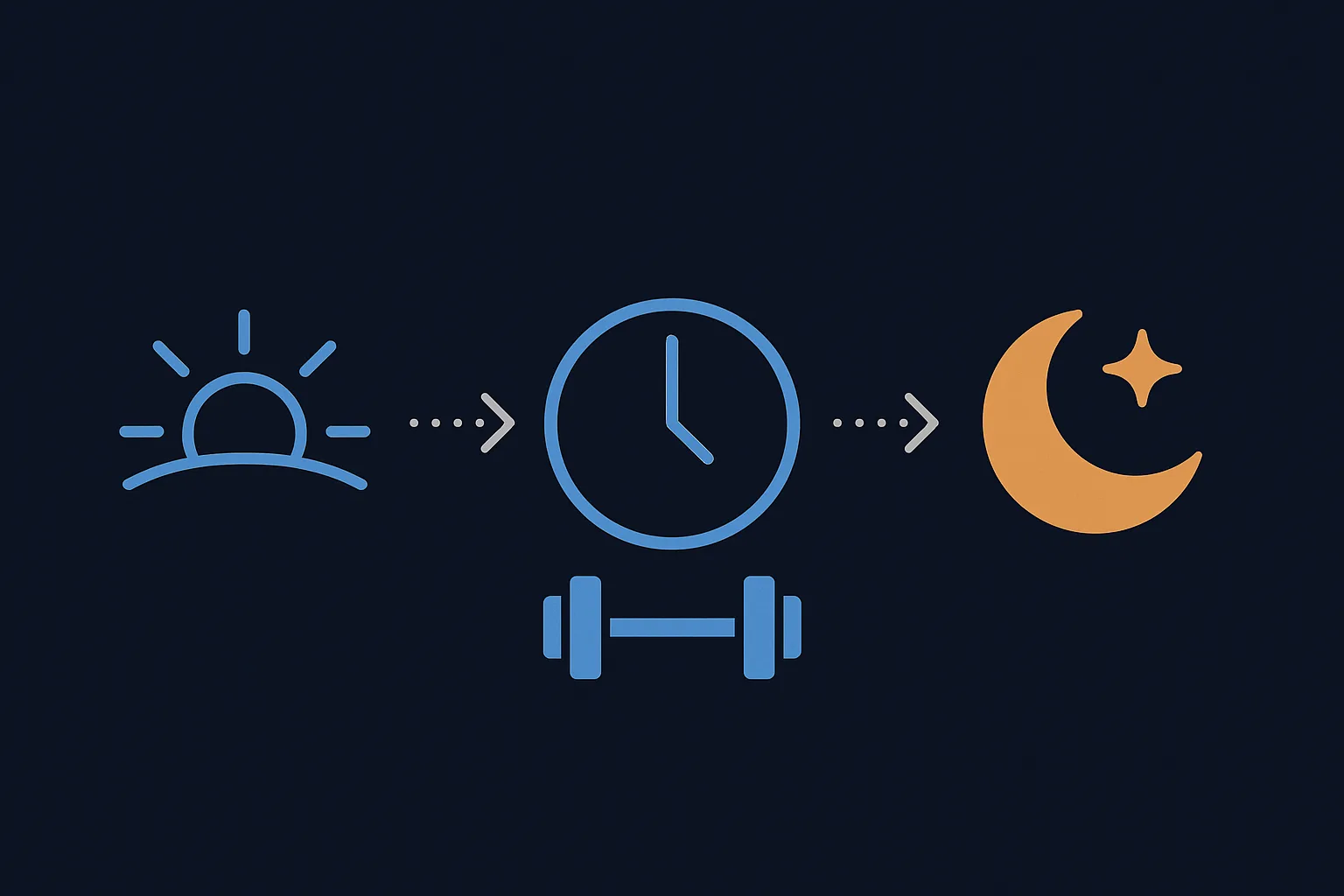
- Training in the late morning (9 to 11 AM) aligns with the natural cortisol peak and produces larger testosterone responses than late-evening sessions
Protocol for men on TRT:
- 3 to 5 resistance sessions per week, 45 to 60 minutes each
- Compound movements first (squats, deadlifts, presses) while cortisol is still favorable
- Rest 2 to 3 minutes between heavy sets to allow cortisol recovery
- Save isolation work and higher-rep sets for the end of the session
- At least one full rest day between sessions hitting the same muscle group
The exercise guide covers programming in detail.
3. Structured Breathing and Meditation
This is not about becoming a monk. It is about activating the parasympathetic nervous system on demand to acutely lower cortisol.
A 2024 randomized controlled trial found that just seven 20-minute sessions of mindfulness-based training (Integrative Body-Mind Training) significantly increased testosterone and decreased cortisol compared to relaxation-only controls when measured after an acute stress challenge (Mrazek et al., 2024). The mechanism is direct modulation of the HPA and HPG axes.
Minimum effective dose:
- 10 to 20 minutes daily of any structured breathwork or meditation
- Box breathing (4-4-4-4 pattern) is the simplest protocol with documented cortisol-lowering effects
- Physiological sighing (double inhale through nose, long exhale through mouth) can acutely drop cortisol in under 5 minutes
- Consistency matters more than duration -- 10 minutes daily beats 60 minutes once a week
4. Manage Caffeine Timing
Caffeine is an adenosine receptor antagonist that directly stimulates cortisol release. For men on TRT trying to optimize their cortisol-testosterone balance, caffeine timing matters more than most people realize.
Key principles:
- Delay first caffeine intake to 90 to 120 minutes after waking, allowing the natural morning cortisol peak to clear
- Cap total intake at 2 to 3 cups of coffee (200 to 300 mg caffeine) per day
- Hard caffeine cutoff 8 to 10 hours before bedtime -- caffeine's half-life is 5 to 6 hours, meaning a 2 PM coffee still has 50 percent potency at 8 PM
- Pre-workout caffeine is fine for training but contributes to the cortisol spike -- account for it in your total daily intake
Men who switch from 4+ cups throughout the day to 2 cups before noon frequently report better sleep onset, lower evening anxiety, and improved morning energy within 1 to 2 weeks.
5. Targeted Supplementation for Cortisol
Beyond the foundational supplements every man on TRT should take, two compounds have specific evidence for cortisol management:
Ashwagandha (Withania somnifera). The strongest evidence of any adaptogen. A randomized, double-blind, placebo-controlled crossover study in overweight men aged 40 to 70 found that ashwagandha extract increased testosterone by 14.7 percent and DHEA-S by 18 percent compared to placebo over 8 weeks (Lopresti et al., 2019). Separate trials show cortisol reductions of 20 to 30 percent. Dose: 300 to 600 mg of a standardized root extract (KSM-66 or Sensoril) daily.
Phosphatidylserine. A phospholipid that blunts the cortisol response to physical and mental stress. Doses of 400 to 800 mg daily have shown cortisol reductions of 15 to 30 percent in exercise studies. Less data than ashwagandha but a reasonable addition for men with training-induced cortisol spikes.
Both supplements complement TRT -- they address the cortisol side of the equation while testosterone handles the anabolic side.
6. Identify and Address Chronic Stressors Directly
Supplements, breathing exercises, and training optimization are coping mechanisms. They manage the cortisol response to stress. But if the stressor itself is unrelenting -- a toxic work environment, financial strain, relationship conflict, untreated anxiety or depression -- no supplement stack will outperform removing or resolving the source.
This is where many men on TRT get stuck. They optimize every variable except the obvious one. If you have been on a well-dosed protocol for 6+ months with solid bloodwork and still do not feel meaningfully better, the answer may not be medical. A conversation with a therapist or a serious look at your life circumstances might deliver more results than another protocol adjustment.
How to Test Cortisol on TRT
If you suspect cortisol is undermining your TRT results, testing confirms the hypothesis before you start interventions.
Best test: Four-point salivary cortisol. This maps your cortisol curve across the day (morning, noon, evening, bedtime). A healthy pattern shows a sharp morning peak that declines steadily through the day. Flattened curves or elevated evening values indicate chronic HPA axis activation.
Acceptable alternative: Morning serum cortisol drawn at the same time as your TRT bloodwork. Values above 20 mcg/dL in a fasted morning draw suggest elevated stress. Values below 5 mcg/dL may indicate adrenal insufficiency, which requires separate evaluation.
When to test:
- At your next scheduled bloodwork panel if you are symptomatic despite adequate testosterone
- After 4 to 8 weeks of implementing stress management interventions to measure progress
- Anytime you have persistent fatigue, anxiety, or body composition stagnation that does not match your testosterone levels
Your TRT clinic should be able to add cortisol to your standard panel on request.
The Cortisol-TRT Optimization Timeline
| Timeframe | What Changes |
|---|---|
| Week 1-2 | Better sleep onset, reduced evening anxiety from caffeine and sleep hygiene changes |
| Week 2-4 | Improved subjective energy and mood from consistent breathwork and training adjustments |
| Week 4-8 | Measurable cortisol reduction on bloodwork, improved testosterone-to-cortisol ratio |
| Week 8-12 | Visible body composition changes as reduced cortisol lowers aromatase activity and visceral fat |
| Week 12+ | Full compounding effect -- better sleep drives lower cortisol drives better recovery drives better training drives better body composition |