You are paying $80-200 per month for TRT, injecting weekly, and tracking labs. Then you drink eight beers on Saturday and wonder why your estradiol is high and your gym progress stalled.
Alcohol is the single most common, most under-acknowledged variable that sabotages TRT results. Most clinics will not ask about it. Most men under-report it. And the interaction is not small — heavy drinking measurably blunts the benefits of testosterone replacement, even when your dose and lab numbers look correct.
Key Takeaways
Light to moderate drinking (under 7 standard drinks/week, no binge sessions) is compatible with TRT for most healthy men
Heavy drinking elevates estradiol via increased aromatase activity — the most common cause of unexplained E2 spikes on stable protocols
Binge drinking (4+ drinks in one session) is dramatically more harmful than the same volume spread out
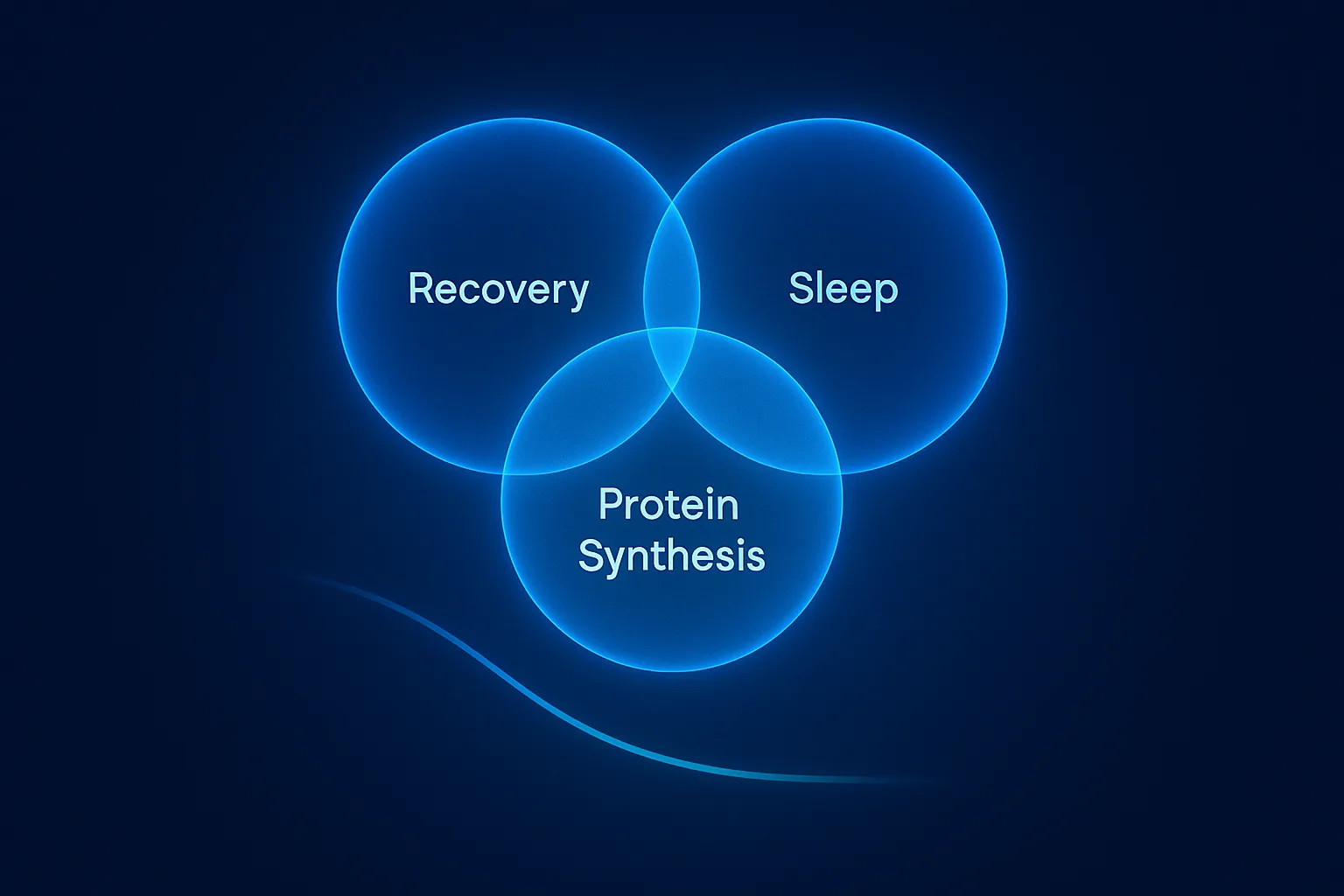
Alcohol impairs sleep, recovery, and muscle protein synthesis — TRT cannot out-anabolize a hangover
Always abstain for 72 hours before TRT bloodwork to avoid false signals
Liver health matters — alcohol plus oral testosterone or anastrozole compounds hepatic stress
How Alcohol Affects Testosterone in Men Not on TRT
Before discussing TRT-specific interactions, it helps to understand the baseline mechanism. In men not on testosterone replacement, alcohol suppresses testosterone through several pathways:
Direct testicular toxicity — ethanol and its metabolite acetaldehyde damage Leydig cells, reducing testosterone synthesis
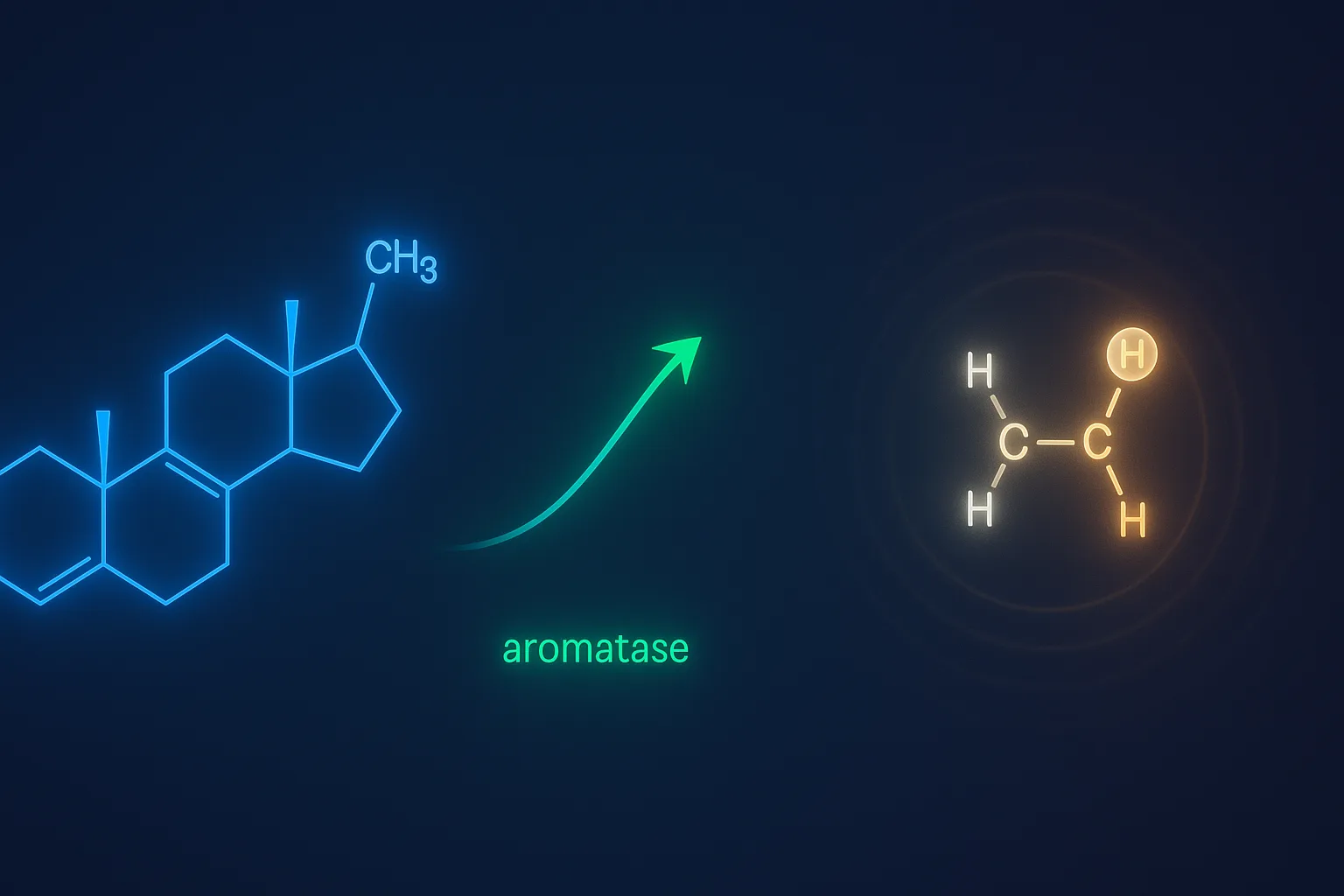
Increased aromatase activity — alcohol upregulates the enzyme that converts testosterone to estradiol
Elevated cortisol — alcohol acutely raises cortisol, which antagonizes testosterone
Reduced SHBG clearance — chronic heavy drinking alters sex hormone binding globulin
The dose-response is well-characterized. A single moderate drinking session (3-4 drinks) produces a modest 6-8 hour testosterone dip that recovers fully. A heavy session (8+ drinks) produces a 20-30% testosterone reduction lasting 24-48 hours. Chronic heavy drinking (alcohol use disorder) is associated with sustained hypogonadism, gynecomastia, and testicular atrophy.
This baseline matters because many men who present for TRT evaluation have alcohol-induced hypogonadism that would partially reverse with abstinence. If your low testosterone diagnosis was made during a period of heavy drinking, it is worth retesting after 4-8 weeks of moderation. Some men have discovered they did not need lifelong TRT after addressing alcohol.
What Changes Once You Are on TRT
On TRT, the exogenous testosterone you inject bypasses the testes and the hypothalamic-pituitary axis. Your blood testosterone level is determined almost entirely by your dose and injection frequency — not by what your body produces.
This means alcohol cannot lower your total testosterone reading on labs if you are on a standard protocol. But that does not mean alcohol is benign on TRT. The interactions shift to four other pathways:
1. Aromatase Upregulation and Estradiol Spikes
This is the most clinically important interaction. Alcohol increases aromatase enzyme activity, particularly in adipose tissue and the liver. On TRT, you have a much larger pool of testosterone substrate for aromatase to convert. The result: meaningful estradiol elevation within 24-72 hours of a heavy drinking session.
Men on stable TRT protocols who suddenly see estradiol spikes — without changing their dose — are almost always either gaining weight, sleeping poorly, or drinking more. Alcohol is the most common single cause we see in clinic forums and community reports.
Symptoms of post-drinking estradiol surge include water retention, facial puffiness, increased nipple sensitivity, emotional lability, and reduced libido for 3-5 days after a binge.
2. HCG and Enclomiphene Disruption
If you are running HCG or enclomiphene alongside TRT to preserve fertility or testicular function, alcohol matters more. Both work by stimulating residual endogenous production. Alcohol's suppression of GnRH and Leydig cell function partially blunts the response to these adjuncts.
Men on TRT + HCG or enclomiphene-only protocols who drink heavily often see attenuated testicular response, lower intra-testicular testosterone, and disappointing fertility outcomes. If preserving fertility is the goal, moderation is not optional.
Alcohol is metabolized by the liver. So is testosterone, particularly any oral testosterone preparation (testosterone undecanoate, methyltestosterone derivatives). The combination creates additive hepatic stress.
For injectable TRT (testosterone cypionate or enanthate) the hepatic load is minimal — these bypass first-pass metabolism. But if you are on:
Liver enzymes (AST, ALT, GGT) on bloodwork can flag elevated even with injectable TRT if you drink heavily. This is usually alcohol, not testosterone. A clean read requires 72 hours of abstinence before testing.
4. Recovery, Sleep, and Protein Synthesis
This is the silent saboteur. Even one heavy drinking session:
Reduces REM sleep by 40-50% for 1-2 nights
Impairs muscle protein synthesis for 24-48 hours
Increases cortisol for 12-24 hours
Suppresses growth hormone secretion overnight
Increases inflammation markers
TRT works partly because it amplifies the recovery signal — better sleep, faster muscle repair, improved training capacity. Heavy drinking blocks all of those pathways. You can have perfect testosterone labs and still see no body composition progress if you are drinking 3+ nights per week.
Let's get specific. Below is a practical threshold table based on cumulative evidence from hormone clinics, hepatology guidelines, and TRT community outcomes.
Weekly intake
Single-session max
Impact on TRT
0-3 drinks/week
1-2 drinks
No measurable interference
4-7 drinks/week
2-3 drinks
Minimal — most men see no impact
8-14 drinks/week
3-4 drinks
Modest estradiol elevation, some recovery impairment
A "standard drink" in the US contains 14g of ethanol — roughly one 12oz beer (5% ABV), one 5oz wine pour, or one 1.5oz shot of 80-proof liquor. Craft beers (often 7-10% ABV) count as 1.5-2 standard drinks. A typical mixed drink at a bar contains 1.5-2.5 standard drinks of liquor.
The binge threshold matters more than weekly average. Two drinks four nights per week (8 total) is metabolically very different from eight drinks on Saturday (also 8 total). The binge session produces:
A larger acute estradiol spike
Worse sleep architecture
Higher peak acetaldehyde (the toxic metabolite)
Greater liver enzyme elevation
Longer recovery from the session
If your social life or work culture involves occasional heavy nights, mitigating that one session matters more than reducing your daily glass of wine.
Estradiol Spikes from Drinking: What to Do
If you know you drank heavily over the weekend and see symptoms suggesting elevated estradiol — water retention, nipple sensitivity, low libido, emotional flatness — resist the temptation to "fix" it with anastrozole.
Here is why: the estradiol elevation from a single drinking session is typically transient (3-7 days). Anastrozole has a 24-hour half-life and continues suppressing aromatase for 3-5 days after a dose. Adding anastrozole during a transient alcohol-induced E2 spike often crashes estradiol below the symptom threshold a week later, leaving you with the opposite problem — joint pain, low libido, depression — which is harder to recover from than the original puffiness.
The correct response to an alcohol-induced estradiol bump is:
Hydrate aggressively for 48-72 hours
Resume normal training (cardio mobilizes excess fluid)
Wait for the spike to clear naturally
Test bloodwork only after 72+ hours of abstinence
Adjust anastrozole only if estradiol is persistently elevated across multiple clean tests
This is one of the most common preventable errors in TRT lab interpretation. Drinking within 72 hours of bloodwork distorts:
Estradiol — elevated by aromatase upregulation
SHBG — modestly suppressed acutely, elevated with chronic use
Liver enzymes (AST, ALT, GGT) — elevated, sometimes dramatically
Triglycerides — elevated
HDL cholesterol — paradoxically elevated by acute alcohol
CBC red cell indices — modestly affected
Cortisol — elevated within 24h
If your protocol calls for trough labs at day 7 post-injection and you drink heavily on day 4-5, you have effectively contaminated the data point you are paying $200+ to obtain. Many men on stable protocols see "unexplained" lab fluctuations that resolve once they align their drinking schedule with their lab schedule.
The simple rule: 72 hours dry before any TRT-related blood draw. If you cannot abstain that long, your alcohol use is itself a clinical issue worth addressing — and your clinic should know.
One of the most common reasons men start TRT is to lose visceral fat and improve body composition. Alcohol is the single largest dietary obstacle to that goal.
A standard drink contains 90-150 calories from ethanol alone — empty calories that the body prioritizes burning before fat or carbohydrate. Two beers a night adds 300+ calories with zero satiety and active fat-burning suppression for 4-6 hours.
Beyond calories, alcohol:
Lowers inhibition around food choices (the post-drinking snack)
Impairs morning training capacity for 24-48 hours
Disrupts the cortisol-leptin-ghrelin axis governing appetite
Encourages visceral fat deposition specifically
Men on TRT who plateau in body composition almost universally have alcohol or sleep as the limiting variable, not their testosterone dose. Increasing the dose to break through a plateau caused by drinking is the worst possible response — you add cardiovascular risk without addressing the actual problem.
Chronic heavy drinking is a known independent risk factor for gynecomastia, even in men with normal endogenous testosterone. Alcohol-related gynecomastia mechanisms:
Increased aromatase activity → higher estradiol
Reduced hepatic clearance of estrogen
Direct phytoestrogenic compounds in some alcoholic beverages
Often combined with weight gain (more aromatase substrate)
On TRT with elevated baseline testosterone, the gynecomastia risk from heavy drinking is amplified. Men who develop sensitive or puffy nipples on a previously stable TRT protocol should examine alcohol intake before assuming the dose needs adjustment.
If you already have early gynecomastia symptoms, see the gynecomastia on TRT management guide for next steps. Reducing alcohol is part of every effective treatment plan.
Practical Frameworks for Drinking on TRT
If you want to drink and still see TRT results, the framework that works for most men is:
The "Two Plus Two" Rule
Maximum 2 drinking days per week
Maximum 2 drinks per session on those days
No alcohol within 72h of bloodwork
No alcohol the night before training days you care about
This works out to roughly 4 drinks weekly — clearly in the safe zone for TRT outcomes while preserving social drinking.
The "Dry Week, Loose Weekend" Pattern
Zero alcohol Monday through Thursday
2-3 drinks Friday or Saturday
Never both nights in the same weekend
Abstain entirely 4 weeks before bloodwork to establish baseline
This pattern is sustainable for men with weekend social obligations.
The "Special Occasion Only" Approach
Drink only at clearly defined events (weddings, holidays, business dinners)
Pre-plan single sessions, never spontaneous bingeing
Accept 5-7 day recovery window after each event
Test bloodwork outside the recovery window
This approach maximizes TRT outcomes but requires the most discipline.
What Does Not Work
"Just having one or two every night" — chronic low-grade interference, no clean lab data
"Saving it all for Saturday" — single-session binge is the most harmful pattern
"I only drink wine, not liquor" — ethanol is ethanol, the molecule does the damage
"I drink to relax after work" — relaxation that costs you sleep, recovery, and hormone balance
Choosing a TRT Clinic That Will Actually Ask
Most online TRT clinics do not screen for alcohol use. Their intake form asks about medications, medical history, and goals — alcohol gets a check box or a single question. This is a missed opportunity, because a clinician who understands your drinking patterns can:
Set realistic expectations for results
Recommend appropriate bloodwork timing
Identify alcohol-induced hypogonadism that may not need lifelong TRT
Counsel on the actual cost-benefit of your current intake
The better clinics ask. The best clinics build alcohol counseling into their protocols and follow-up visits. The transparency-grade clinics — the ones that disclose physician availability, monitoring frequency, and protocol details — tend to also be the ones that take lifestyle seriously.
For an evidence-based comparison of TRT clinics that includes monitoring quality and physician engagement scores, see the 2026 best online TRT clinic comparison and the questions to ask a TRT clinic checklist. When you interview a clinic, ask: "What is your recommended alcohol intake on TRT?" The answer reveals how seriously they take outcomes.
For the full comparison framework across all major dimensions, our clinic comparison table shows side-by-side scores including monitoring, physician access, and protocol transparency.
References
Sarkola T, Eriksson CJ. Testosterone increases in men after a low dose of alcohol. Alcohol Clin Exp Res. 2003;27(4):682-685.
Frias J, Rodriguez R, et al. Effects of acute alcohol intoxication on pituitary-gonadal axis hormones, pituitary-adrenal axis hormones, beta-endorphin and prolactin in human adults of both sexes. Alcohol Alcohol. 2000;35(6):581-585.
Maneesh M, Dutta S, Chakrabarti A, Vasudevan DM. Alcohol abuse-duration dependent decrease in plasma testosterone and antioxidants in males. Indian J Physiol Pharmacol. 2006;50(3):291-296.
Emanuele MA, Emanuele NV. Alcohol's effects on male reproduction. Alcohol Health Res World. 1998;22(3):195-201.
Vatsalya V, Issa JE, Hommer DW, Ramchandani VA. Pharmacodynamic effects of intravenous alcohol on hepatic and gonadal hormones. Alcohol Clin Exp Res. 2012;36(8):1396-1402.
Purohit V. Can alcohol promote aromatization of androgens to estrogens? A review. Alcohol. 2000;22(3):123-127.
Yes — light to moderate drinking (under 7 drinks per week, spaced out) is compatible with TRT for most healthy men. Heavy drinking (more than 14 drinks per week or 4+ in a session) blunts testosterone, elevates estradiol via increased aromatase activity, raises liver enzymes, and can stall the benefits you are paying for. The dose-response is steep — moderate is fine, heavy is sabotage.
Does alcohol lower testosterone if you are on TRT?
On TRT, your testosterone level is driven by the dose you inject, not your testes. Alcohol cannot suppress what is being delivered exogenously. What alcohol does is increase aromatase activity (converting more of that testosterone into estradiol), reduce LH/FSH (irrelevant if you are on TRT alone, but relevant if you are running HCG or enclomiphene), and impair recovery, sleep, and protein synthesis. So your number on the lab looks the same — but your symptoms and body composition stall.
How much alcohol is too much on TRT?
The threshold where alcohol begins to meaningfully interfere is roughly 14 standard drinks per week or any single session of 4 or more drinks. Binge drinking is more harmful than the same total volume spread evenly. Two drinks four nights per week is much less disruptive than eight drinks on Saturday.
Why does my estradiol spike after drinking?
Alcohol increases aromatase enzyme activity, which converts testosterone into estradiol. When you are on TRT with elevated testosterone substrate, heavy drinking can push estradiol meaningfully higher within 24-72 hours. This is the most common reason men on stable TRT protocols see unexplained estradiol spikes — they had a heavy weekend before bloodwork.
Can I drink the night before my TRT bloodwork?
No. Alcohol within 72 hours of bloodwork distorts liver enzymes (AST, ALT, GGT), estradiol, SHBG, and lipid panel. If you want a clean read of your protocol, abstain for at least 3 days before testing. Many men chase phantom estradiol problems that disappear when they stop drinking before labs.
Does TRT make hangovers worse?
Many men report worse hangovers on TRT, particularly if their estradiol is running high. Higher estradiol increases water retention and inflammation, which amplifies dehydration symptoms. Some men also report increased flushing or headaches from alcohol on TRT — typically estradiol-related and improved with appropriate management.
Is beer worse than liquor on TRT?
Beer has historically been blamed for raising estrogen via hops phytoestrogens, but the dose is too small to matter clinically. What matters is total ethanol volume and frequency. A standard beer, glass of wine, and shot of liquor all contain similar ethanol. Heavy beer drinkers tend to consume more total ethanol and more calories — that is the actual problem, not the hops.