Low testosterone affects an estimated 10-40% of adult men, and the treatment landscape has expanded beyond traditional testosterone replacement. Enclomiphene citrate -- a selective estrogen receptor modulator (SERM) -- offers a fundamentally different approach: instead of replacing testosterone from the outside, it tricks your brain into making more of its own.
The choice between enclomiphene and TRT is not about which is "better." It's about which mechanism matches your biology, your goals, and your life stage. Here's everything you need to make that decision.
What Is Enclomiphene?
Enclomiphene is the trans-isomer of clomiphene citrate -- the active half that does the heavy lifting. Traditional clomiphene (often prescribed off-label for male hypogonadism) contains both the enclomiphene and zuclomiphene isomers. Zuclomiphene is an estrogen agonist that accumulates in the body and causes many of the side effects men associate with clomiphene. Enclomiphene isolates the beneficial isomer.
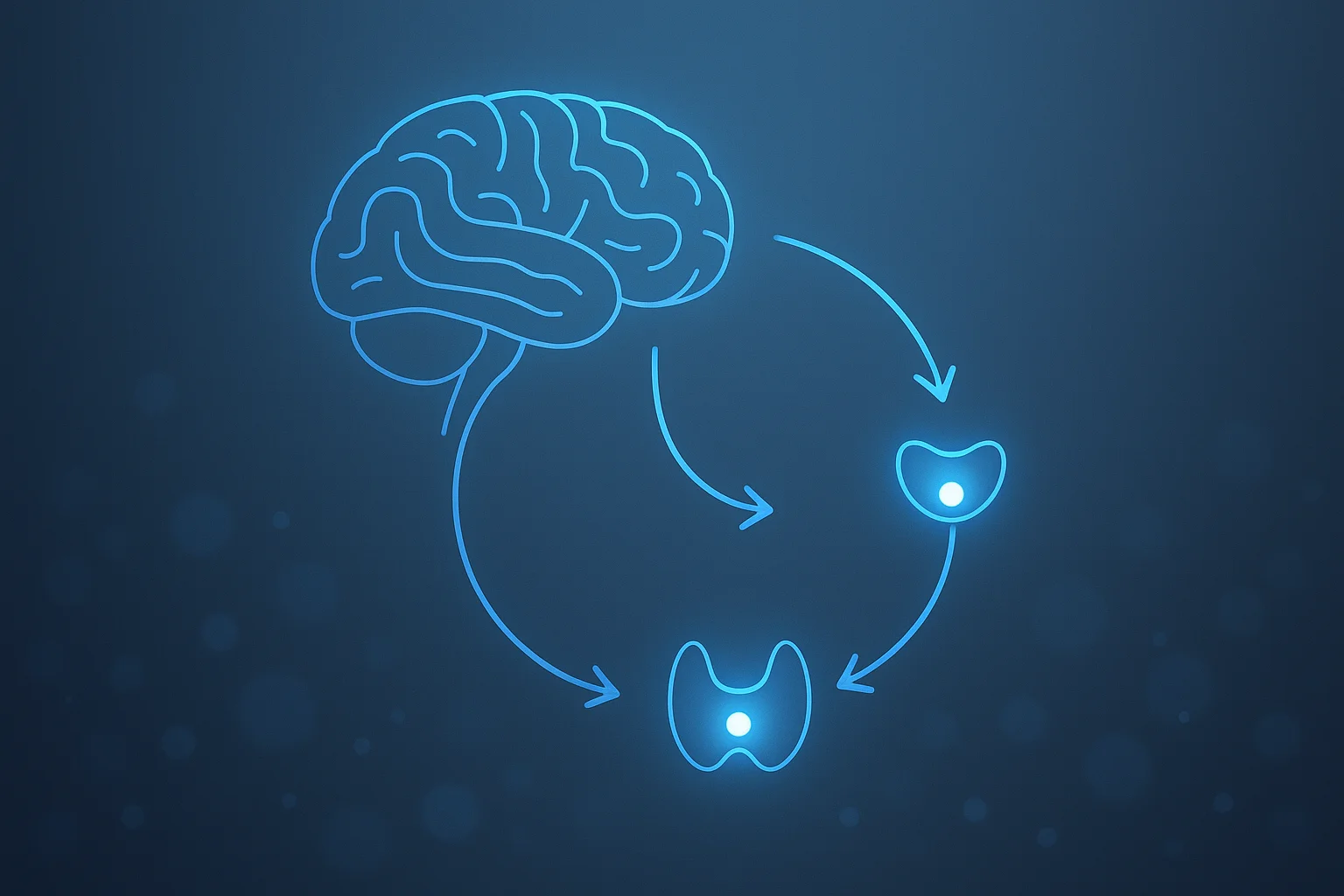
It works by blocking estrogen receptors at the hypothalamus and pituitary gland. Your brain interprets this as "estrogen is low" and responds by increasing gonadotropin-releasing hormone (GnRH), which in turn raises luteinizing hormone (LH) and follicle-stimulating hormone (FSH). LH stimulates the Leydig cells in your testes to produce more testosterone. FSH maintains spermatogenesis.
The critical distinction: your testes are doing the work. The hypothalamic-pituitary-gonadal (HPG) axis stays active. Testicular function is preserved.
How TRT Works Differently
Testosterone replacement therapy delivers exogenous testosterone -- typically via injection (testosterone cypionate or enanthate), topical gel, or pellets. Your blood testosterone levels rise because you're adding testosterone from the outside.
The tradeoff is that exogenous testosterone suppresses the HPG axis via negative feedback. Your pituitary sees high testosterone and estradiol levels and reduces LH and FSH output. Within weeks of starting TRT, most men's LH drops to near zero. Spermatogenesis declines significantly, and testicular volume typically decreases 10-20% within the first year.
This isn't a flaw -- it's the expected pharmacology. But it makes TRT a poor choice for men who want to preserve fertility in the near term without adding adjunct medications like hCG.
Enclomiphene Dosing and Expected Results
Typical Protocol
Most prescribers start at 12.5mg daily, taken orally. Some clinics titrate up to 25mg daily based on lab response after 4-6 weeks. Higher doses beyond 25mg have not shown proportionally greater benefit and increase side effect risk.
What to Expect
Enclomiphene typically raises total testosterone by 200-400 ng/dL over baseline. A man starting at 280 ng/dL might reach 500-650 ng/dL. That's a meaningful improvement -- enough to resolve symptoms in many cases of mild to moderate hypogonadism.
However, enclomiphene rarely pushes men into the high-normal or supraphysiological range. If your baseline is 180 ng/dL and you need to reach 800+ ng/dL for symptom resolution, enclomiphene alone is unlikely to get you there.
Timeline:
Weeks 1-2: LH and FSH begin rising
Weeks 3-4: Testosterone levels start climbing
Weeks 6-8: Full effect reached; labs should be drawn here
Ongoing: Levels generally remain stable with continued use
TRT Results for Comparison
TRT is dose-dependent and predictable. A standard dose of 100-200mg testosterone cypionate per week will place most men at 600-1100 ng/dL, depending on individual metabolism and injection frequency. The response is reliable and titratable -- if you need more, you inject more.
Who Should Choose Enclomiphene
Enclomiphene is the better choice when preserving natural physiology matters more than maximizing testosterone levels.
Ideal candidates:
Men under 35-40 who want children in the next 1-5 years. Enclomiphene preserves or enhances sperm production. TRT suppresses it.
Secondary hypogonadism -- where the problem is insufficient LH signal from the pituitary, not testicular failure. Enclomiphene addresses the root cause by boosting LH.
Mild hypogonadism (total testosterone 250-400 ng/dL) with moderate symptoms. The 200-400 ng/dL boost may be sufficient.
Men who want to avoid long-term commitment. Stopping enclomiphene doesn't trigger the same recovery challenges as coming off TRT. The HPG axis was never suppressed.
Men concerned about testicular atrophy. Enclomiphene maintains or increases testicular size because LH stays elevated.
If you fit this profile, Maximus is purpose-built for you — their entire model centers on enclomiphene-first treatment with non-injectable options, CLIA at-home labs, and async telehealth. They also offer oral TRT and testosterone cream if enclomiphene alone is not sufficient.
TRT is the better choice when you need reliable, significant testosterone elevation and the downsides are manageable.
Ideal candidates:
Primary hypogonadism -- where the testes themselves are damaged or dysfunctional (Klinefelter syndrome, prior injury, chemotherapy damage). Stimulating LH with enclomiphene won't help if the Leydig cells can't respond.
Severely low testosterone (below 200 ng/dL) where a 200-400 ng/dL boost won't reach therapeutic levels.
Men who have completed their families or are willing to use hCG concurrently to maintain fertility.
Symptom severity that requires predictable, high-level replacement. TRT lets you dial in an exact level with dose adjustments.
Men who failed enclomiphene. Some men don't respond adequately despite having secondary hypogonadism on paper. A knowledgeable provider can help determine which approach is right for you -- find a vetted clinic.
Side Effects: Head to Head
Enclomiphene Side Effects
Enclomiphene is generally well-tolerated, but side effects do occur:
Visual disturbances (1-5% of users): blurred vision, floaters, light sensitivity. These are typically mild and reversible but warrant discontinuation if persistent.
Mood changes: Some men report irritability or emotional flatness. This may relate to altered estrogen signaling at the brain level.
Headaches: Common in the first 2-3 weeks, usually self-resolving.
Elevated estradiol: Because testosterone rises, estradiol can rise proportionally. Some men need a low-dose aromatase inhibitor, though this is less common than with TRT.
Hot flashes: Occasionally reported, related to the anti-estrogenic mechanism.
What enclomiphene does NOT cause: testicular atrophy, infertility, HPG axis suppression, or dependency.
TRT Side Effects
Fertility suppression: The most significant downside for younger men. Sperm counts drop 50-90%+ in most men within 3-6 months.
Testicular atrophy: 10-20% volume reduction is typical without hCG.
Erythrocytosis (elevated hematocrit): Occurs in 10-20% of men, requiring monitoring and potentially blood donation or dose adjustment.
Estrogen-related effects: Gynecomastia, water retention, mood changes from elevated estradiol.
Acne and oily skin: More common with higher doses or infrequent injection schedules that create testosterone peaks.
HPG axis suppression: Stopping TRT requires a recovery period. Some men's natural production never fully recovers, especially after years of use.
Cost Comparison
Enclomiphene
Enclomiphene is typically prescribed through compounding pharmacies or telehealth clinics. Expect to pay:
Labs: $100-300 per panel (every 6-8 weeks initially, then quarterly)
Total first-year cost: $1,200-3,500
Enclomiphene is not currently FDA-approved as a standalone product for male hypogonadism, which means insurance coverage is rare. Most men pay out of pocket. Maximus is the standout option here — they are built around an enclomiphene-first protocol at $99.99/month (annual billing) with CLIA at-home labs included and a testosterone guarantee (10% increase or 3-month refund). Unlike clinics that offer enclomiphene as a secondary option, Maximus leads with it. Several other online TRT clinics also offer enclomiphene as part of their treatment options.
TRT
Testosterone cypionate (generic): $30-80/month (with insurance or GoodRx)
Clinic/telehealth fees: $100-200/month for managed programs
TRT has better insurance coverage potential since testosterone cypionate is FDA-approved for hypogonadism. If your insurance covers it, out-of-pocket costs drop substantially.
Can You Use Both Together?
Yes, and there are two main scenarios where this makes sense.
Transition Protocol: TRT to Enclomiphene
Some men on TRT want to come off -- often because they've decided to have children. A common transition protocol:
Reduce TRT dose by 50% while starting enclomiphene 25mg daily
After 4 weeks, discontinue TRT entirely
Continue enclomiphene for 8-12 weeks while monitoring labs
Assess whether natural production has recovered sufficiently
This is gentler than stopping TRT cold turkey and hoping for recovery. The enclomiphene stimulates LH production while exogenous testosterone clears your system.
Concurrent Use
A smaller number of clinics prescribe low-dose enclomiphene (12.5mg daily) alongside TRT to maintain some LH/FSH output and preserve testicular function. The evidence here is thinner, and most practitioners prefer hCG for this purpose. But for men who don't tolerate hCG or can't access it, enclomiphene is a reasonable alternative.
Decision Framework
Factor
Enclomiphene Favored
TRT Favored
Age
Under 35-40
Any age
Fertility goals
Wants children soon
Family complete
Baseline testosterone
250-400 ng/dL
Below 200 ng/dL
Hypogonadism type
Secondary (pituitary)
Primary (testicular)
Target level
500-700 ng/dL sufficient
Needs 700+ ng/dL
Commitment tolerance
Prefers reversible option
Comfortable with long-term
Testicular size
Wants to preserve
Not a concern
Symptom severity
Mild to moderate
Severe
Response predictability
Acceptable variability
Needs reliable levels
The Bottom Line
Enclomiphene and TRT solve the same problem through opposite mechanisms. Enclomiphene says "make more of your own testosterone." TRT says "here's the testosterone you need."
For younger men with secondary hypogonadism, fertility concerns, and mildly low levels, enclomiphene is often the smarter first step. It preserves your natural production, avoids the commitment of lifelong replacement, and can be discontinued without a difficult recovery period.
For men with primary hypogonadism, severely low levels, or those who need predictable high-normal testosterone, TRT remains the gold standard. It's been used for decades, the dosing is well-understood, and the results are reliable.
The best approach is often sequential: try enclomiphene first if you're a candidate. If it doesn't raise your levels enough or resolve your symptoms after 8-12 weeks, TRT is always there as the next option. Starting with enclomiphene keeps more doors open. Starting with TRT closes some of them -- particularly around fertility and natural production -- that can be difficult to reopen.
---
This content is for informational purposes only and is not medical advice. Consult a qualified healthcare provider before starting any treatment.
Frequently Asked Questions
Is enclomiphene as effective as TRT?
Enclomiphene can raise testosterone significantly in men with secondary hypogonadism but is generally less predictable than TRT.
Who is a good candidate for enclomiphene instead of TRT?
Men under 40 with secondary hypogonadism who want to preserve fertility and natural hormone production.