A Sydney study found 72% of testosterone posts have financial ties and zero cite evidence. Here's how to spot the red flags before you get sold TRT you don't need.
Key Takeaways: A University of Sydney study published in Social Science & Medicine analyzed 46 high-reach testosterone posts on Instagram and TikTok with a combined audience of 6.8 million followers. Not a single post cited scientific evidence. 72% had financial ties to the products they promoted. The study identifies four recurring marketing narratives that reframe normal aging and stress as testosterone "deficiency" requiring immediate medical intervention. Meanwhile, testosterone prescriptions in the United States climbed from 7.3 million in 2019 to over 11 million in 2024. The influencer pipeline is real, profitable, and medically dangerous when it bypasses proper diagnosis. Here is what the research actually says, how to spot the red flags, and when testing genuinely makes sense.
Testosterone replacement therapy works. For men with clinically confirmed hypogonadism -- two morning blood tests below 300 ng/dL alongside consistent symptoms -- the evidence from the TRAVERSE trial, real-world outcome data, and clinical experience supports meaningful improvements in sexual function, body composition, energy, and quality of life [1][2].
The problem is not TRT itself. The problem is the pipeline that gets men from a TikTok video to a prescription without the diagnostic rigor that separates legitimate treatment from unnecessary medication.
What the Sydney Study Found
Researchers at the University of Sydney's Faculty of Medicine and Health, led by Emma Grundtvig Gram and senior author Dr. Brooke Nickel, conducted a qualitative analysis of 46 high-reach Instagram and TikTok posts promoting testosterone testing and treatment [3]. The study was published in Social Science & Medicine in 2026.
The numbers are stark:
6.8 million combined followers across the analyzed accounts
650,000+ likes generated by these 46 posts alone
0% cited scientific evidence to support their claims
72% had financial interests -- selling tests, supplements, or clinic consultations
67% included direct purchase links
85% were posted by individuals, not health organizations
Dr. Nickel summarized the pattern: "What we're seeing isn't health education, it's marketing and fearmongering dressed up as medical advice."
The study identified four recurring marketing narratives driving the content:
1. Low Testosterone as a Sexual Performance Crisis
Posts frame normal fluctuations in libido or occasional erectile difficulty as proof of testosterone deficiency. The messaging creates urgency: act now or lose your sexual function. In reality, libido and erectile function are influenced by dozens of factors -- stress, sleep, relationship dynamics, alcohol, medications, cardiovascular health -- and testosterone is only one variable in that equation.
2. Rebranding Testosterone as a Young Man's Issue
Traditional TRT marketing targeted men over 40. The influencer pipeline targets men in their 20s and 30s, reframing testosterone as something every young man should be monitoring and optimizing. The study found posts explicitly linking testosterone levels to masculinity, dominance, and social status.
3. Gym Performance and Self-Optimization
Posts connect testosterone directly to muscle gain, fat loss, and gym performance, blurring the line between evidence-based TRT for hypogonadal men and supraphysiological dosing for aesthetic goals. The framing implies that normal testosterone levels are somehow insufficient for building muscle -- they are not, for the vast majority of young men.
4. Narrow Masculinity Ideals
The content is closely linked to what researchers call the "manosphere" -- online communities promoting hyper-masculine ideals centered on dominance, physical strength, and sexual performance. Testosterone levels become a score that defines masculine worth.
The Financial Pipeline Behind the Posts
The influencer testosterone economy is not subtle. Here is how it typically works:
Step 1: Create fear. Post content suggesting that fatigue, lower motivation, or reduced gym performance means your testosterone is dangerously low.
Step 2: Offer a solution. Link to an at-home testosterone testing kit (affiliate commission: $15-40 per kit sold) or an online clinic consultation (affiliate commission: $50-150 per signup).
Step 3: Normalize treatment. Share before-and-after content or personal testimonials about how TRT "changed my life," creating social proof that treatment is the obvious next step.
Step 4: Upsell. Once on TRT, promote branded supplements, peptide stacks, estrogen blockers, and premium clinic tiers as essential add-ons.
The Sydney study found that nearly a third of the accounts presented themselves as medical doctors. The rest used titles like "hormone specialist," "longevity expert," or "performance coach" -- titles that carry no regulated credential.
What the Influencers Leave Out
Testosterone therapy has documented side effects that are manageable with proper monitoring but rarely mentioned in promotional content:
Hematocrit elevation -- TRT increases red blood cell production, raising blood viscosity and clot risk. This requires regular blood monitoring and sometimes therapeutic phlebotomy or dose adjustment [1].
Fertility suppression -- exogenous testosterone signals the brain to shut down natural production, including sperm production. Without concurrent hCG, TRT can cause infertility that may take months to reverse [4].
Testicular atrophy -- reduced natural production leads to physically smaller testes without fertility preservation measures.
Acne and skin changes -- particularly with higher doses or poor estradiol management.
Commitment duration -- TRT is generally a lifelong therapy. Stopping means returning to pre-treatment testosterone levels (or lower) until the hypothalamic-pituitary axis recovers, which is not guaranteed [5].
None of these are reasons to avoid TRT when it is clinically indicated. All of them are reasons to ensure the decision is made through proper diagnostic channels, not through an influencer's affiliate link.
How to Tell If You Actually Need Testing
Not every man who feels tired needs a testosterone test. But some genuinely do. Here is the honest framework:
Testing makes sense when you have multiple consistent symptoms:
Reduced or absent morning erections
Measurably decreased libido (not just "less than a 22-year-old")
Loss of muscle mass despite consistent training
Persistent fatigue not explained by sleep, stress, or depression
Brain fog or cognitive decline
Unexplained weight gain, particularly visceral fat accumulation
Testing does NOT make sense as a response to:
A single TikTok video about "low T signs"
Feeling tired after sleeping 5 hours
Not gaining muscle in your first 6 months of lifting
Normal aging experiences in your 20s and 30s
Vague dissatisfaction with energy or motivation
If you do test, the minimum diagnostic standard is two morning blood draws (before 10 AM, fasting) showing total testosterone below 300 ng/dL, plus a full panel including free testosterone, SHBG, LH, FSH, estradiol, CBC, and metabolic markers [6]. A single finger-prick test from an influencer's affiliate link does not meet this standard.
Red Flags in Testosterone Marketing
Use these criteria to evaluate any testosterone content you encounter online:
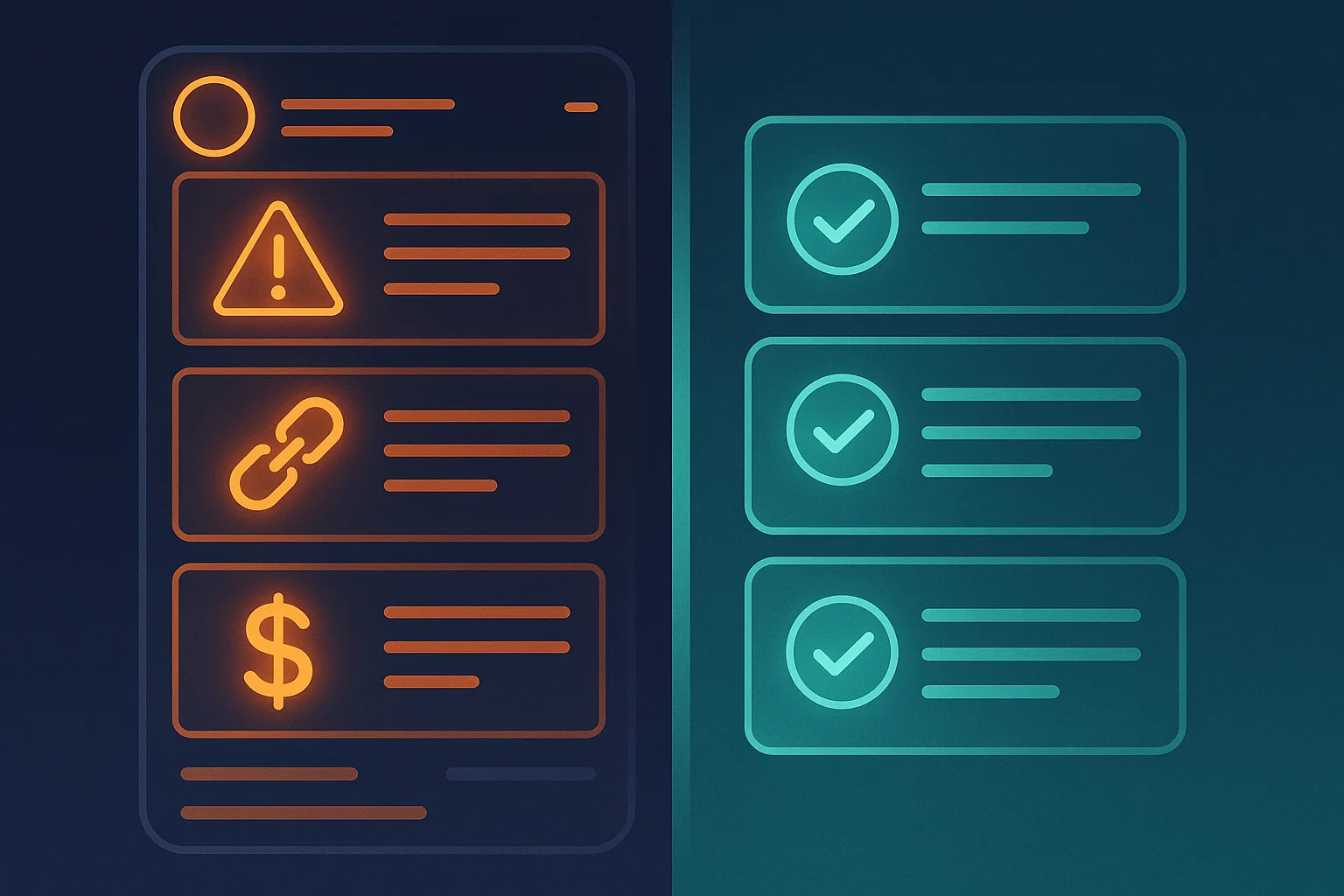
Red Flag
Why It Matters
No scientific citations
Legitimate medical claims reference specific studies
Direct purchase link in bio
Financial incentive to diagnose you
"Low T" based on single symptom
Real diagnosis requires multiple symptoms + lab confirmation
Self-assigned credentials
"Hormone specialist" and "performance coach" are unregulated
Before-and-after transformation
Cannot be attributed to TRT alone without controlled conditions
Urgency messaging ("act now")
Hypogonadism does not require emergency treatment
Supraphysiological dose promotion
Doses above replacement range (100-200 mg/week) are not TRT
No mention of side effects
Every medication has trade-offs worth discussing
What Legitimate TRT Access Looks Like
If you have genuine symptoms and your labs confirm low testosterone, treatment through a reputable provider is straightforward and increasingly accessible. The best online TRT clinics share specific features:
Two confirmed morning blood tests before prescribing
Physician involvement in care decisions (not nurse-practitioner-only)
Regular monitoring of hematocrit, PSA, estradiol, and metabolic markers
Transparent pricing under $200/month for standard protocols
Fertility counseling and hCG availability for men who want to preserve fertility
No supplement upselling as a condition of care
The FDA's April 2026 announcement opened a pathway for expanded TRT access for men with idiopathic hypogonadism, and the December 2025 expert panel called testosterone replacement "a cornerstone of preventive health" [7]. The regulatory direction is toward broader access. That makes it even more important that the path to treatment goes through proper diagnosis, not influencer marketing.
The Bottom Line
TRT is a legitimate medical therapy backed by large randomized trials and real-world safety data. The TRAVERSE trial of 5,246 men found no increased cardiovascular risk [1]. A real-world study of 9,537 men confirmed favorable safety over 12 months [2]. The FDA has removed black-box warnings and is actively expanding the indication.
But none of that changes the fact that 72% of testosterone content on social media has financial ties to the products it promotes, and zero percent cites scientific evidence. The influencer pipeline turns a legitimate medical question into a marketing funnel.
If you think you might have low testosterone, get tested properly -- through your doctor or a reputable clinic that follows diagnostic standards. Do not let an algorithm decide your diagnosis.
References
Lincoff AM, et al. Cardiovascular safety of testosterone-replacement therapy. TRAVERSE trial. N Engl J Med. 2023;389(2):107-117.
Clift AK, Johnson H, Huang DR, Morgentaler A. Real-world outcomes and safety of testosterone therapy: a longitudinal, retrospective cohort study of over 9,000 men. World J Mens Health. 2026;44:e6.
Gram EG, Nickel B, Moynihan R, et al. Testosterone marketing on social media. Social Science & Medicine. 2026. DOI: 10.1016/j.socscimed.2025.118903.
Patel AS, et al. Testosterone is a contraceptive and should not be used in men who desire fertility. World J Mens Health. 2019;37(1):45-54.
Kohn TP, et al. Age and duration of testosterone therapy predict time to return of sperm count after human chorionic gonadotropin therapy. Fertil Steril. 2017;107(2):351-357.
Bhasin S, et al. Testosterone therapy in men with hypogonadism: an Endocrine Society clinical practice guideline. J Clin Endocrinol Metab. 2018;103(5):1715-1744.
FDA. FDA takes step forward on testosterone therapy for men. April 16, 2026.
What did the Sydney study find about testosterone marketing on social media?
Researchers at the University of Sydney analyzed 46 high-reach Instagram and TikTok posts promoting testosterone testing and treatment. The combined audience was 6.8 million followers and the posts generated over 650,000 likes. Zero posts cited scientific evidence. 72% of the accounts had financial interests in the products they promoted. 67% included direct purchase links. 85% were published by individuals rather than health organizations. The study was published in Social Science & Medicine in 2026.
How do testosterone influencers make money?
Most testosterone influencers monetize through affiliate links to online testosterone clinics, direct sales of testosterone testing kits, supplement sales (branded 'testosterone boosters'), and paid clinic consultations. The Sydney study found 72% of analyzed posts had financial interests and 67% included direct purchase links. Many frame normal experiences like fatigue, lower libido, or stress as signs of a testosterone 'deficiency' requiring their product or service.
Is fatigue always a sign of low testosterone?
No. Fatigue is one of the most common symptoms in all of medicine and has dozens of potential causes: poor sleep, stress, depression, thyroid dysfunction, iron deficiency, vitamin D deficiency, sleep apnea, overtraining, and metabolic syndrome. Low testosterone can cause fatigue, but only when confirmed by two morning blood tests below 300 ng/dL alongside other consistent symptoms like reduced libido, loss of morning erections, decreased muscle mass, and brain fog. A single symptom viewed through a social media post is not a diagnosis.
What are the red flags of a bad TRT clinic promoted by influencers?
Key red flags include: prescribing based on a single lab value without repeat testing, no requirement for morning blood draws, no ongoing monitoring of hematocrit and PSA, aggressive upselling of supplements or peptide stacks, nurse-practitioner-only models with no physician oversight, pricing above $200/month for standard protocols, and guarantees of specific outcomes. Legitimate clinics require two confirmed morning tests, monitor safety labs on schedule, and involve a licensed physician in care decisions.
Should young men in their 20s get testosterone tested based on social media advice?
Testing itself is not harmful, but the context matters. If a 25-year-old is sleeping 5 hours a night, stressed, overweight, and drinking regularly, his testosterone may test low because of those reversible factors, not because he needs exogenous testosterone. Testing without clinical context leads to unnecessary treatment. If you have genuine symptoms and want to check, get the test through your primary care physician or a reputable clinic that will interpret results alongside your full health picture, not an influencer's affiliate link.
Are testosterone booster supplements effective?
Research on 50 'testosterone booster' supplements found only 25% had any data supporting their testosterone claims. 90% of these products use proprietary blends with underdosed ingredients. Some exceeded safe amounts of zinc, vitamin B3, and magnesium. Individual ingredients like zinc or vitamin D only raise testosterone when you have a deficiency in that specific nutrient. For men with clinically low testosterone below 300 ng/dL, supplements will not close the gap.