
This article reports what published clinical guidelines and trial literature describe about weight-based testosterone dosing. It is not medical advice. Testosterone replacement therapy requires a licensed prescriber for individual dose decisions, lab monitoring, and titration.
Most TRT prescribing in the U.S. is flat-dosed. A new patient walks in, gets started on 100-160 mg of testosterone cypionate or enanthate per week, and the dose is titrated based on 6-8 week trough labs. Body weight rarely enters the conversation directly. But the underlying pharmacology does scale with weight — larger volume of distribution, more aromatase activity in adipose tissue, often higher SHBG — which is why weight ends up reflected in dose, just indirectly through lab-driven titration. This is a reference page for what published literature describes about weight-scaled testosterone dosing, how it maps to the flat-dose ranges most clinicians use, and why per-kg formulas remain rare in adult practice.
If you came here from a forum post quoting "X mg per pound" or a clinic that claims to dose by weight, the chart below is the closest thing to a clinical reference. Treat it as orientation, not prescription.
What Published Literature Says About Weight-Based Dosing
The Endocrine Society guideline does not specify mg/kg
The 2018 Endocrine Society clinical practice guideline (Bhasin et al.) describes recommended starting doses for adult male hypogonadism in absolute mg, not mg/kg. Standard injectable starting ranges in that guideline are 75-100 mg per week of testosterone cypionate or enanthate, with adjustment based on mid-cycle or trough total testosterone levels. The guideline explicitly emphasizes lab-driven titration over weight-scaled dosing for adult hypogonadism.
The AUA guideline emphasizes lab targets, not body weight
The American Urological Association guideline on testosterone deficiency (Mulhall et al., 2018) recommends initiating injectable testosterone with monitoring to maintain total testosterone in the middle tertile of the normal reference range. Body weight is mentioned as a contributing factor to dose requirements but no specific mg/kg target is given. The clinical pattern is a flat starting dose with adjustment based on follow-up labs at 4 weeks, then 6-12 months thereafter.
EAA and BSSM guidelines align with the same approach
The European Academy of Andrology guideline (Corona et al., 2020) and the British Society for Sexual Medicine guideline (Hackett et al., 2017) both describe injectable testosterone dosing in absolute mg ranges and lab-driven titration. None of the four major Anglosphere/European guidelines provide a recommended mg/kg formula for adult intramuscular testosterone.
Where weight-based dosing does appear in literature
Three contexts in published literature use weight-scaled testosterone dosing:
- Pediatric endocrinology for delayed puberty. Doses scaled to body weight, typically 50-100 mg of testosterone enanthate every 4 weeks, increased gradually.
- Pellet protocols. Some clinical pellet-dosing references incorporate body weight into the calculated pellet count, though SHBG and target levels usually carry more weight.
- Pharmacokinetic modeling studies. Population PK studies of depot testosterone cypionate identify body weight as a significant covariate affecting clearance and volume of distribution. These models are descriptive, not prescriptive.
For adult injectable TRT, weight-based dosing is essentially absent from contemporary prescribing guidelines.
The Per-Kg Reference Chart
The table below back-calculates approximate mg/kg/week values from the absolute dose ranges described in the TRT dosing ranges hub. It is a translation tool, not a dosing instruction. Doses refer to testosterone cypionate or enanthate, the two functionally interchangeable long-acting esters most commonly prescribed in the U.S.
| Body Weight (kg) | Body Weight (lbs) | Conservative (1.0 mg/kg/wk) | Standard (1.5 mg/kg/wk) | Higher (2.0 mg/kg/wk) | Upper-limit Replacement (2.5 mg/kg/wk) |
|---|---|---|---|---|---|
| 60 | 132 | 60 mg | 90 mg | 120 mg | 150 mg |
| 70 | 154 | 70 mg | 105 mg | 140 mg | 175 mg |
| 80 | 176 | 80 mg | 120 mg | 160 mg | 200 mg |
| 90 | 198 | 90 mg | 135 mg | 180 mg | 225 mg |
| 100 | 220 | 100 mg | 150 mg | 200 mg | 250 mg |
| 110 | 242 | 110 mg | 165 mg | 220 mg | 275 mg |
| 120 | 264 | 120 mg | 180 mg | 240 mg | 300 mg |
A few notes on reading the chart:
- The 1.0-1.5 mg/kg/week column is consistent with conservative endocrinology and VA prescribing patterns described in published literature.
- The 1.5-2.0 mg/kg/week column corresponds to typical mid-range telehealth defaults.
- The 2.0-2.5 mg/kg/week column reaches the upper end of replacement and overlaps with the dose ranges where supraphysiologic effects (elevated hematocrit, lipid changes, mood instability) become more common in the trial literature.
- Doses above 2.5 mg/kg/week are outside the replacement range described by major guidelines and are typically associated with performance-oriented or recomposition protocols rather than hypogonadism management.
The chart does not apply to:
- Testosterone undecanoate intramuscular injections (10-12 week dosing interval, different pharmacokinetics)
- Transdermal gels or creams (absorption variability dominates dose-response)
- Pellets (release kinetics depend on pellet count, surface area, and tissue dynamics)
- Oral testosterone undecanoate (twice-daily food-dependent absorption, completely different mg ranges)

Why Most Clinics Still Use Flat Dosing
Three forces explain why adult TRT prescribing has not converged on per-kg formulas:
1. Trough levels predict response better than mg/kg
The variable that correlates most reliably with symptom response in published trial data is trough total testosterone (and free testosterone, when SHBG is in the picture) — not weekly dose, and not weekly dose normalized to weight. Two 90 kg men on identical 140 mg/week protocols can land at trough total testosterone of 650 ng/dL versus 1100 ng/dL because of SHBG, hepatic metabolism, injection-site absorption, and aromatase activity. A weight-scaled formula would produce the same answer for both men despite their lab-confirmed differences in handling.
2. SHBG matters more than weight for free testosterone
Free testosterone — the bioavailable fraction — depends heavily on SHBG. Two men with identical total testosterone and identical body weight can have free testosterone differing by 40-50 percent if their SHBG is 25 nmol/L versus 55 nmol/L. The Endocrine Society and EAA guidelines both highlight free testosterone (or calculated free testosterone) as a critical secondary endpoint in dose decisions, especially when symptoms persist despite normal total levels. No weight-based formula captures SHBG.
3. Lab-driven titration is more forgiving than weight calculations
A flat starting dose plus a 6-8 week recheck is operationally simpler and more accurate than a weight-scaled formula. The clinical workflow is:
- Start at a conservative absolute dose (e.g., 80-120 mg/week)
- Recheck trough labs at 6-8 weeks
- Adjust by 10-20 mg/week based on labs and symptoms
This produces an individualized dose without requiring weight to enter the equation. The patient's own lab response substitutes for any prediction a formula could provide.
When Weight Does Influence the Dose
Weight is not irrelevant — it is reflected in dose, just indirectly. Three observed patterns:
Heavier men typically end up at higher absolute doses
Aggregate prescribing data shows weekly TRT doses creep upward with body weight. A 70 kg man on TRT for 12 months tends to settle at 100-130 mg/week. A 110 kg man on TRT for 12 months tends to settle at 150-200 mg/week. The correlation is not strict — SHBG and individual response add scatter — but it is real. The practical effect is that weight enters the dose decision through lab feedback rather than through a formula.
Adipose tissue increases aromatase activity
Aromatase, the enzyme that converts testosterone to estradiol, is concentrated in adipose tissue. Heavier men with higher body fat percentages tend to convert a larger fraction of their testosterone to estradiol, which can drive estradiol management challenges on TRT. The clinical workaround is usually higher injection frequency (twice weekly, every other day) rather than dose reduction or aromatase inhibitor use.
Lean mass is a better predictor than total weight
In population PK modeling of depot testosterone cypionate, lean body mass predicts clearance more accurately than total weight. A 100 kg man at 15% body fat and a 100 kg man at 30% body fat are not pharmacokinetically identical. This is another reason flat dosing plus titration outperforms a single mg/kg multiplier.
How Weight-Adjusted Dosing Maps to Trough Targets
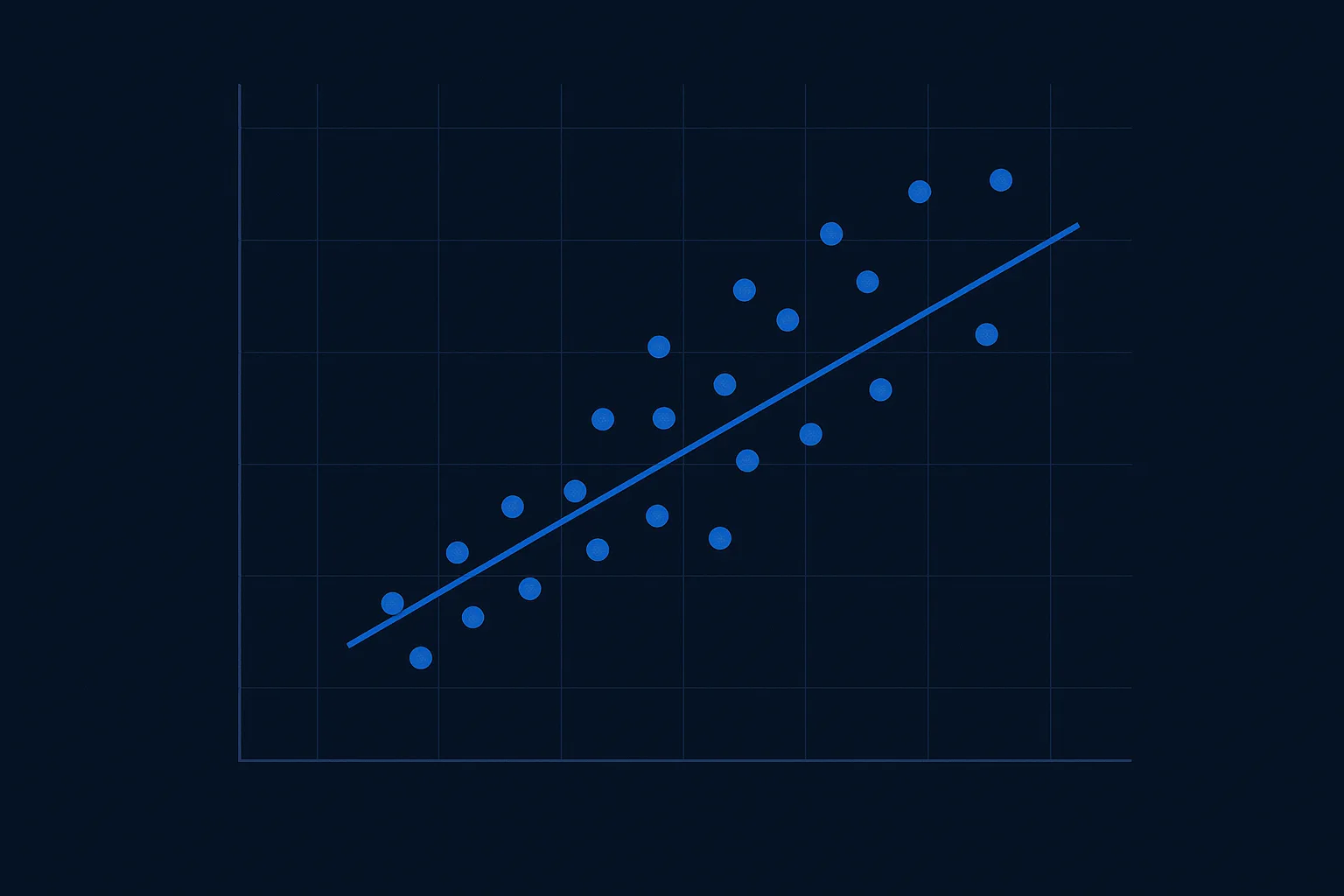
Even though guidelines do not specify per-kg dosing, the chart below approximates what published mid-trough total testosterone targets translate to in mg/kg/week terms, based on the population averages described in trial and observational literature. Use it to sanity-check whether your current dose is in the typical range for your weight, not to prescribe.
| Trough Total T Target | Approximate mg/kg/week | Typical Profile |
|---|---|---|
| 500-650 ng/dL | 0.8-1.2 mg/kg/wk | Conservative replacement, low-SHBG men, start-low protocols |
| 650-850 ng/dL | 1.2-1.7 mg/kg/wk | Standard replacement, most men on TRT |
| 850-1050 ng/dL | 1.7-2.2 mg/kg/wk | Performance-oriented replacement, high-SHBG men |
| 1050-1200 ng/dL | 2.2-2.7 mg/kg/wk | Upper-limit replacement, often with closer monitoring |
A 90 kg man targeting trough total testosterone of 750 ng/dL would, on average, land somewhere around 105-145 mg/week — which is exactly the modal dose described in average TRT dose data. The chart is a check on whether your current dose is in the expected zone for your weight and trough target, not a replacement for labs.
What This Looks Like in a Clinic That Titrates Well
A clinic that titrates well does not start with a weight-scaled prescription. The pattern published guidelines describe and that experienced prescribers follow:
- Take a complete history, including weight, body composition, baseline symptoms, and prior testosterone trials.
- Confirm the diagnosis with two early-morning total testosterone measurements plus SHBG, free testosterone, and a baseline panel.
- Start at an absolute dose that fits the patient's clinical picture — typically 80-140 mg/week of testosterone cypionate or enanthate, split into at least two injections.
- Recheck trough labs at 6-8 weeks.
- Adjust by 10-20 mg/week based on the lab gap to target.
- Hold at the lowest dose that puts trough free testosterone in the target zone and resolves symptoms.
Weight enters this process at step 3 — implicitly, through the prescriber's experience that heavier men generally need more — and at step 5, where the lab gap reflects the body's actual handling of the chosen dose.
If you are evaluating a clinic, the question worth asking is not "do you dose by weight" but "what is your titration interval, and what trough lab targets do you use?" Clinics that answer crisply tend to deliver the dose that is right for your body. The clinic comparison hub ranks clinics by titration discipline and bloodwork transparency.
Common Pitfalls in Weight-Based Self-Dosing
Forum posts and DIY protocols sometimes propose weight-based starting doses that read like clinical references but are not grounded in published guideline literature. The most common errors:
- "2 mg/lb of body weight" as a starting dose. A 200 lb man at this rate would land at 400 mg/week — far outside the replacement range described by every major guideline. This figure originates in performance-enhancement protocols, not TRT.
- Identical mg/kg for all body composition. A 100 kg man at 12% body fat and a 100 kg man at 35% body fat have meaningfully different lean mass, aromatase exposure, and SHBG profiles. A single mg/kg number ignores the variation.
- Skipping labs because the formula said so. No weight-based calculation substitutes for a 6-8 week trough lab. Two men can land 400 ng/dL apart on the same mg/kg dose.
Published guidelines and clinical practice both converge on the same conclusion: the right TRT dose is determined by lab response, not by a weight calculation.
Bottom Line
Published clinical guidelines for adult male testosterone deficiency describe injectable TRT in absolute mg ranges and emphasize lab-driven titration. Per-kg dosing is uncommon in adult practice and, where it appears in literature, sits in the 1.0-2.5 mg/kg/week zone for most men. The chart on this page translates absolute doses to per-kg values for orientation, but the dose that is right for any individual is the one a prescriber arrives at with the patient's own labs over a 6-8 week titration cycle. If you are deciding between starting weight-based or starting flat, the literature supports the flat-dose-plus-titration pattern.