Low Testosterone Doesn't Cause Memory Loss in Women

6/12/2026
5 min read
By The TRT Catalog

A 2026 ASPREE cohort study of older women found a 3-year drop in natural testosterone did not predict cognitive or memory decline. What it means for HRT.

Low testosterone does not cause memory loss in women: new ASPREE cohort study

Key Takeaways: A 2026 prospective study of 395 older Australian women from the ASPREE cohort found that a three-year decline in natural blood testosterone did not predict any decline in global cognition, memory, verbal fluency, or processing speed. About 39% of the women had measurably lower testosterone over the follow-up, yet their cognitive trajectories were no different. A subgroup limited to women aged 70 to 79 showed the same null result. The takeaway is narrow but important: the natural fall in testosterone that happens with age does not appear to be a cause of cognitive decline in women. This does not mean testosterone therapy is useless for cognitive symptoms -- that is a separate question the study did not test -- but it does undercut the common marketing claim that "low testosterone is causing your brain fog." For midlife women with cognitive symptoms, the more likely drivers are estradiol changes, sleep disruption, thyroid disease, iron deficiency, and mood -- which is why a real workup matters more than a single hormone number.

What the Study Found

A 2026 prospective cohort study published in Climacteric, the journal of the International Menopause Society, asked a direct question: does declining natural testosterone contribute to cognitive decline in older women? [1]

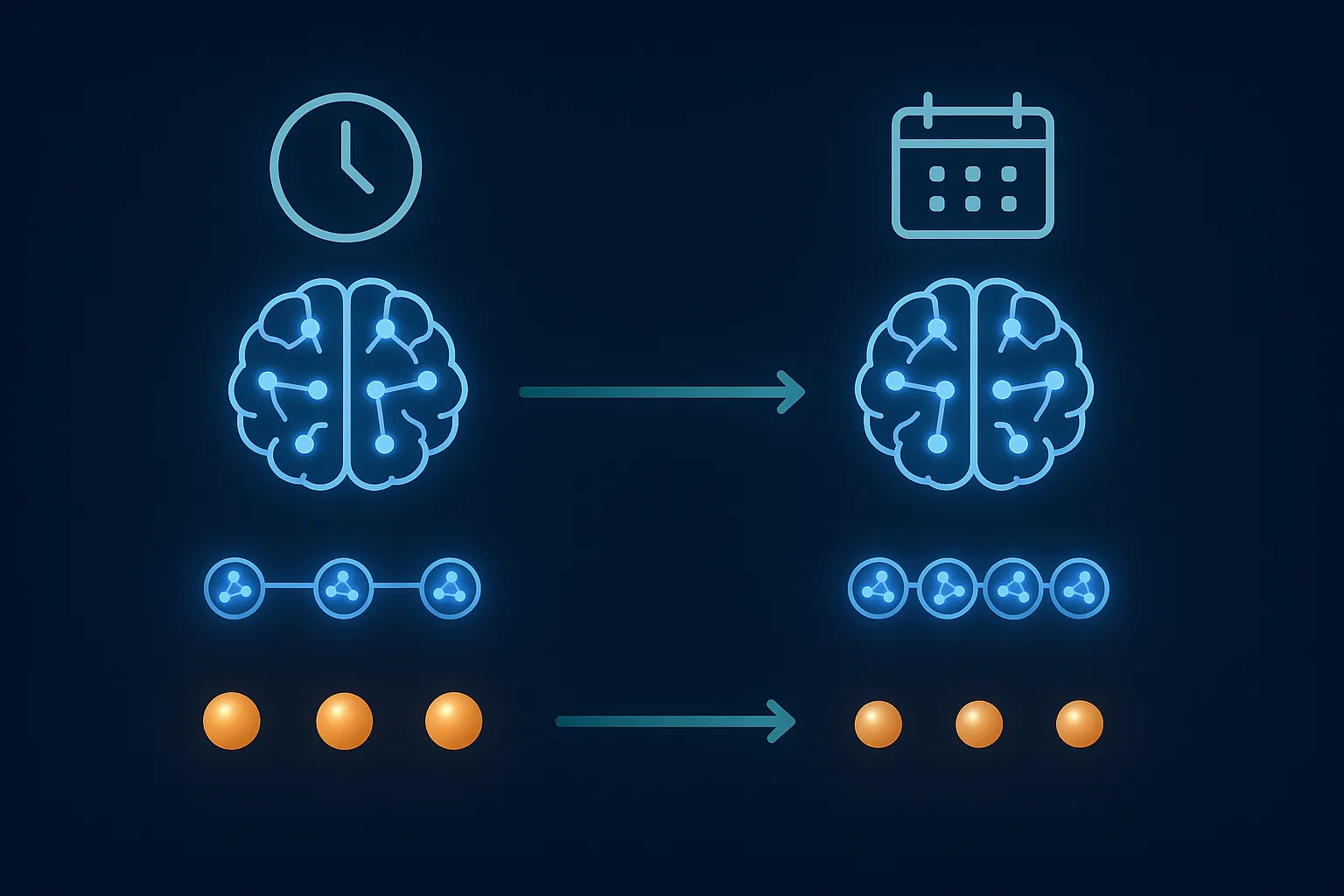
The researchers followed 395 community-dwelling older Australian women drawn from the ASPREE trial (a large aspirin-in-the-elderly study, median age around 78). They measured serum testosterone at baseline and again three years later, and administered a comprehensive cognitive test battery at both timepoints -- covering global cognition, immediate and delayed memory recall, verbal fluency, and processing speed.

About 39% of the women showed a measurable drop in testosterone across the three years. The central finding: that decline was not associated with any deterioration in cognitive performance. Not global cognition. Not memory. Not fluency. Not processing speed.

When the researchers restricted the analysis to women aged 70 to 79 -- a tighter age band -- the null result held. A fall in natural testosterone across three years simply did not move the needle on cognition in this population.

The authors' conclusion is appropriately bounded: natural variation in testosterone at the low late-life levels typical of older women does not appear to influence cognitive trajectories over a three-year window.

Why This Matters: The Brain-Fog Marketing Claim

If you have searched for help with brain fog, memory slips, or mental clarity in your 40s, 50s, or beyond, you have probably encountered a confident claim: low testosterone is the cause, and testosterone will fix it. It shows up in clinic marketing, influencer content, and supplement ads aimed at women.

This study is a useful corrective. It is the kind of data that should make you skeptical of any clinic or influencer who tells you your cognitive symptoms are simply low testosterone. The natural decline in testosterone -- the thing that happens to essentially every woman with age -- is not what is driving cognitive change.

That distinction matters because the wrong explanation leads to the wrong workup. If a woman is told her brain fog is "just low T," she may start testosterone, feel no cognitive benefit, and never get evaluated for the things that actually cause midlife cognitive symptoms. A real evaluation looks wider. See HRT and Brain Fog for the full framework.
What the ASPREE study measured: testosterone at two timepoints versus cognitive test scores in older women

What Actually Drives Cognitive Symptoms in Midlife Women

If natural testosterone decline is not the cause, what is? Usually a combination of these:

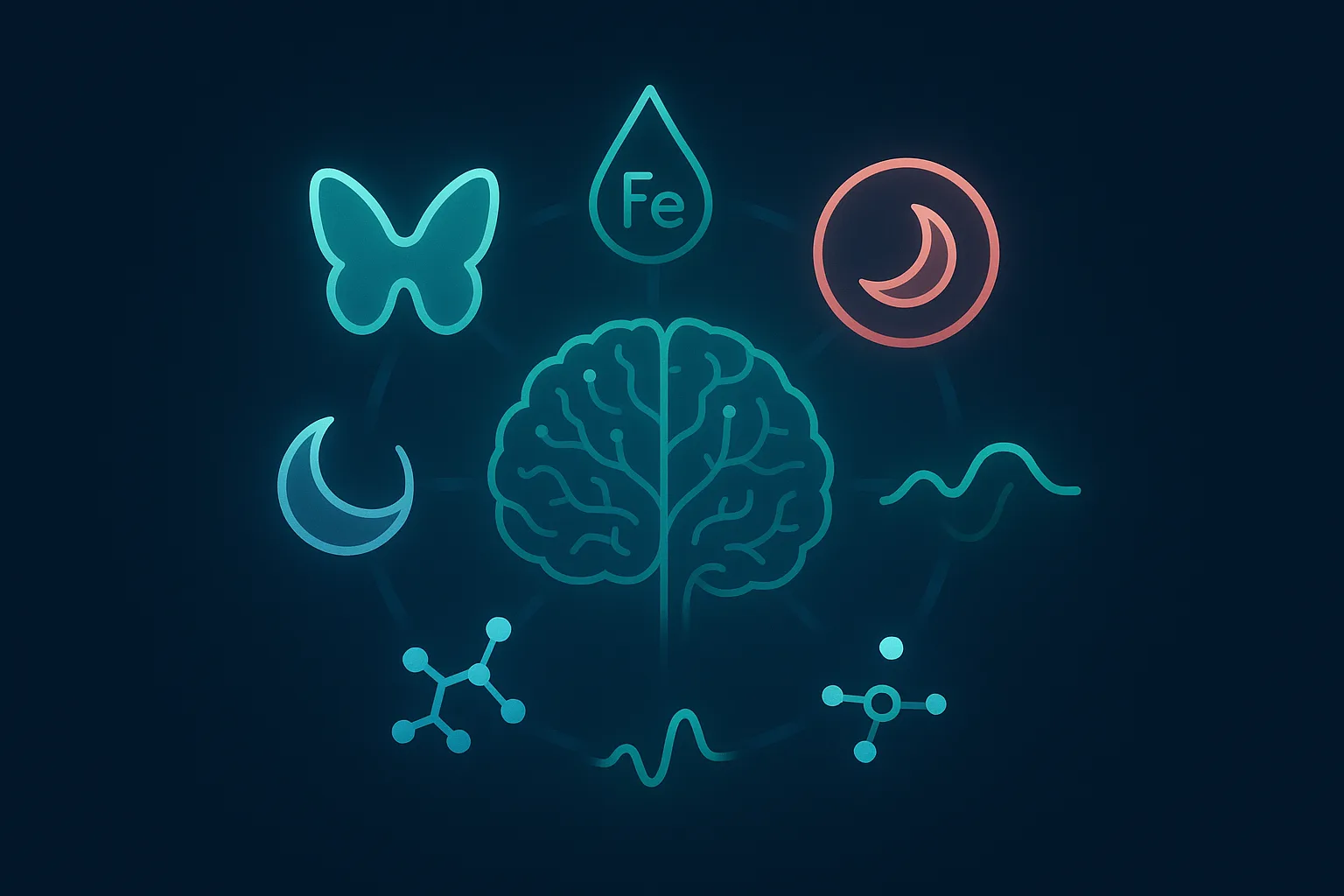
  • Estradiol changes. The dominant hormonal driver of cognitive symptoms in the menopause transition is the fluctuation and decline of estrogen, not testosterone. Estradiol has well-documented effects on verbal memory and processing speed, and many women notice word-finding difficulty and concentration problems track with their perimenopausal estrogen swings. This is why the grey matter and brain imaging research in menopause focuses on estrogen.
  • Sleep disruption. Hot flashes, night sweats, and perimenopausal insomnia fragment sleep, and fragmented sleep alone produces measurable cognitive impairment. Fix the sleep and the "brain fog" often lifts.
  • Thyroid disease. Hypothyroidism is common in midlife women and classically presents with mental sluggishness, poor concentration, and fatigue. It is easy to test and easy to miss.
  • Iron deficiency. Low ferritin -- common in women who still menstruate or who recently transitioned -- causes fatigue and cognitive cloudiness independent of anemia.
  • Depression and anxiety. Mood disorders impair concentration and memory directly. The cognitive symptoms of depression are frequently mistaken for a hormone problem.
  • Chronic stress and medications. Cortisol load and the side effects of common medications (antihistamines, some blood pressure agents, sleep aids) both blunt cognition.

The clinical point: cognitive symptoms in midlife women deserve a differential diagnosis, not a single-hormone explanation. A clinic that reflexively attributes everything to low testosterone is skipping the workup that would actually help you.

The Nuance: Decline Versus Treatment Are Different Questions

It is worth being precise about what this study does and does not say, because the distinction is easy to blur.

What it says: a natural, gradual fall in testosterone over three years does not cause cognitive decline in older women.

What it does not say: that giving testosterone therapy to a symptomatic woman with low levels will not help her.

These are genuinely different questions. The first is about whether endogenous decline is a cause of cognitive aging. The second is about whether a treatment improves symptoms in people who have them. A study can answer the first cleanly and say nothing about the second.

On the treatment question, the evidence is thinner and more mixed. A 332-woman real-world cohort on individualized testosterone therapy reported cognitive gains emerging at four to six months, alongside earlier energy and mood improvement -- but that data is observational and cannot separate testosterone effect from placebo. Older pilot studies of testosterone in postmenopausal women showed modest verbal-memory improvements. The international consensus position statement on testosterone for women restricts the recommended indication to hypoactive sexual desire disorder, precisely because that is the only area with adequate randomized trial support; cognition is not yet on that list.
Women's HRT — Menopause-First Telehealth

Bioidentical estradiol, progesterone, and low-dose testosterone — all 50 states, unlimited physician access.

Start HRT Consultation

So the honest synthesis is: natural testosterone decline is not the cause of age-related cognitive change in women, and the case that testosterone therapy reliably improves cognition is not yet established by randomized data. Both of those things can be true at once. The right framing for a woman with cognitive symptoms is to evaluate the real drivers first, and consider testosterone optimization only if levels are genuinely low and symptoms fit an androgen-deficiency pattern -- not as a first-line fix for brain fog.

What This Means If You Have Cognitive Symptoms

The practical translation for a woman dealing with memory slips or mental cloudiness:

  1. Do not anchor your workup on testosterone. It is reasonable to test it, but it should be one line on a broader lab panel, not the headline.
  2. Get the full evaluation. A thorough clinic will check total and free testosterone, estradiol, a full thyroid panel (TSH, free T4, and ideally free T3 and antibodies), iron studies and ferritin, B12, and screen for sleep disruption and mood disorders. See how to test testosterone and the testosterone blood test guide for women.
  3. Treat the things that are actually broken. If thyroid is low, treat thyroid. If ferritin is low, replete iron. If sleep is fragmented by hot flashes, address the vasomotor symptoms. These produce faster, more reliable cognitive improvement than chasing a testosterone number.
  4. Consider estrogen first if you are in the menopause transition. Because estradiol is the dominant hormonal driver of cognitive symptoms, HRT timing and the window of opportunity is often the more relevant conversation than testosterone.
  5. Consider testosterone only when it fits. If your testosterone is genuinely low and you have androgen-deficiency-pattern symptoms (low energy, low libido, low mood) on top of cognitive complaints, optimizing it may help the whole picture -- but as part of a managed protocol, not a standalone brain-fog treatment.

A real cognitive-symptom workup in midlife women: thyroid, iron, sleep, estradiol, mood, then testosterone

How This Connects to Choosing a Clinic

This study is, in a quiet way, a clinic-quality test. The way a clinic responds to a woman with cognitive symptoms reveals whether it practices evidence-based medicine or runs a one-hormone sales funnel.

A women's hormone clinic delivering care consistent with the evidence will:

  • Run a complete differential for cognitive symptoms -- thyroid, iron, sleep, mood, estradiol, and testosterone -- rather than attributing everything to low testosterone.
  • Be honest about what testosterone can and cannot do. A clinic that promises testosterone will fix your memory is overstating the evidence. The randomized data supports libido; the cognition case is unproven.
  • Test before prescribing, including estradiol and a thyroid panel, not just testosterone.
  • Treat the menopause transition holistically, recognizing that estrogen, sleep, and mood are usually more relevant to cognitive symptoms than testosterone.

Clinics that diagnose "low T brain fog" from a single test and move straight to a testosterone prescription are operating ahead of the evidence -- and the ASPREE data is a direct reason to be skeptical of that pitch. The women's HRT clinic comparison and the broader clinic comparison identify clinics that run a real workup rather than a one-hormone funnel.

The Bottom Line

The natural decline in testosterone that comes with age does not cause cognitive decline in women -- that is the clean message of the ASPREE cohort data. It should make you skeptical of anyone who tells you your brain fog is simply low testosterone.

It does not close the door on testosterone therapy helping symptomatic women with genuinely low levels; that question remains open and under-studied. But it reframes the conversation correctly: cognitive symptoms in midlife women deserve a real evaluation -- estradiol, thyroid, iron, sleep, and mood first -- with testosterone considered as part of the picture only when the labs and symptom pattern support it. The hormone is not a brain-fog magic bullet, and the best clinics will tell you so.

Related Reading

References

  1. Islam RM, et al. Associations between declining testosterone concentrations and cognitive performance in community-dwelling older Australian women: a prospective cohort study. Climacteric. 2026. Taylor & Francis
  2. International Menopause Society. Testosterone decline and cognition in older women. March 20, 2026. IMS Commentary
  3. Davis SR, Baber R, Panay N, et al. Global Consensus Position Statement on the Use of Testosterone Therapy for Women. J Clin Endocrinol Metab. 2019;104(10):4660-4666. PMC Article

Disclosure: The TRT Catalog is reader-supported. Some links to clinics are affiliate links, which means we may earn a commission if you sign up. This does not affect our editorial scoring or recommendations. See our methodology for details.

Frequently Asked Questions

Does low testosterone cause memory loss or cognitive decline in women?

Based on the strongest available data, no -- not the natural decline that happens with age. A 2026 prospective study of 395 community-dwelling older Australian women from the ASPREE cohort measured blood testosterone at baseline and again three years later, along with a full cognitive battery at both timepoints. About 39% of the women had a measurable drop in testosterone, but that decline was not associated with any worsening in global cognition, immediate or delayed memory recall, verbal fluency, or processing speed. The natural fall in testosterone late in life does not appear to drive cognitive decline in women.

Does this study mean testosterone therapy won't help my brain fog?

No -- it answers a different question. This study looked at whether falling natural testosterone causes cognitive decline over time (it did not). It did not test whether giving testosterone therapy improves cognitive symptoms in women who already have them. Those are separate questions. Smaller treatment studies and large real-world cohorts have reported cognitive and mental-clarity gains over several months on testosterone, often alongside energy and mood improvement. The honest summary: natural testosterone decline is not the cause of age-related cognitive change in women, but that does not rule out a benefit from optimizing low levels in symptomatic women. The data on the treatment question is still thin.

If low testosterone isn't the cause, what actually drives brain fog in midlife women?

Several things, and they usually overlap. The biggest hormonal driver in the menopause transition is the fluctuation and decline of estradiol, not testosterone -- estrogen has well-documented effects on verbal memory and processing speed. Beyond hormones, the common culprits are disrupted sleep (often from hot flashes or insomnia), untreated thyroid disease, iron deficiency, depression and anxiety, chronic stress, and medication side effects. A clinic that blames every cognitive symptom on low testosterone, without ruling these out, is not running a real workup.

How strong is this study?

It is a prospective cohort study, which is a reasonably strong observational design -- testosterone was measured at two timepoints, cognition was tested with a comprehensive battery at both, and the sample of 395 older women is meaningful for this area. The main limitations are that it studied natural variation in already-low late-life testosterone (not a treatment), the women were older (median age around 78), and observational data cannot fully exclude confounding. Subgroup analysis restricted to women aged 70 to 79 produced the same null result, which strengthens confidence in the finding.

Should I still get my testosterone tested if I have cognitive symptoms?

Testing your hormones is reasonable as part of a broader evaluation, but do not anchor a brain-fog workup on testosterone alone. A thorough clinic will test total and free testosterone, estradiol, a full thyroid panel, iron studies and ferritin, B12, and screen for sleep disruption and mood disorders. If your testosterone is genuinely low and you have androgen-deficiency-pattern symptoms, optimizing it may help -- but it should be one part of a real differential, not the whole answer. See the women's HRT clinic comparison for clinics that run a complete evaluation.