Microplastics Are Lowering Testosterone. Here's What to Do
5/25/2026
5 min read
By The TRT Catalog
New research confirms microplastics damage Leydig cells, cross the blood-testis barrier, and suppress testosterone. Practical steps to reduce exposure and protect your hormones.
Key Takeaways: Microplastics have been found in 100% of human testicle samples tested. They damage Leydig cells (the body's testosterone factories), cross the blood-testis barrier, and suppress the hormonal pathway that controls testosterone production. Population-level testosterone has fallen 0.5 to 1.0% per year for decades -- and even men who maintain their weight are affected. While you cannot eliminate exposure entirely, filtering your water, avoiding heated plastic, and choosing whole foods over processed alternatives can reduce your daily intake. If you have symptoms, get tested. Environmental damage does not show up on your face -- it shows up in your bloodwork.
Testosterone levels are falling across every demographic studied. Not just in older men. Not just in overweight men. In adolescents, in military veterans, in lean and active adults who should be at their hormonal peak [1].
For years, researchers attributed this decline primarily to rising obesity rates and sedentary lifestyles. Those factors matter. But a comprehensive 2026 review in the International Journal of Molecular Sciences confirmed what many endocrinologists suspected: even men who maintained constant weight or lost weight during longitudinal follow-up experienced significant testosterone declines, with mean testosterone dropping 117 ng/dL (19%) over 20 years [1].
Something else is driving this. And a growing body of evidence points to the same answer: the synthetic chemicals in the plastics, packaging, water, and household dust that surround modern life.
The Numbers Behind the Decline
The data is consistent across populations and decades [1]:
U.S. adolescents (1999-2016): Mean total testosterone fell from 605 ng/dL to 451 ng/dL -- a 25% decrease over 17 years
U.S. Air Force veterans (1982-2002): Dropped from 638 ng/dL to 431 ng/dL -- a 33% decline over 20 years
Finnish men (60-69 age group): Testosterone decreased from 21.9 to 13.8 nmol/L across birth cohorts
Israeli database (100,000+ men): Confirmed age-independent decline across all age groups
The annual rate: approximately 0.5 to 1.0% per year. That means a 30-year-old man today likely has meaningfully lower baseline testosterone than a 30-year-old man in 1990, even at the same body weight and activity level.
How Microplastics Damage Testosterone Production
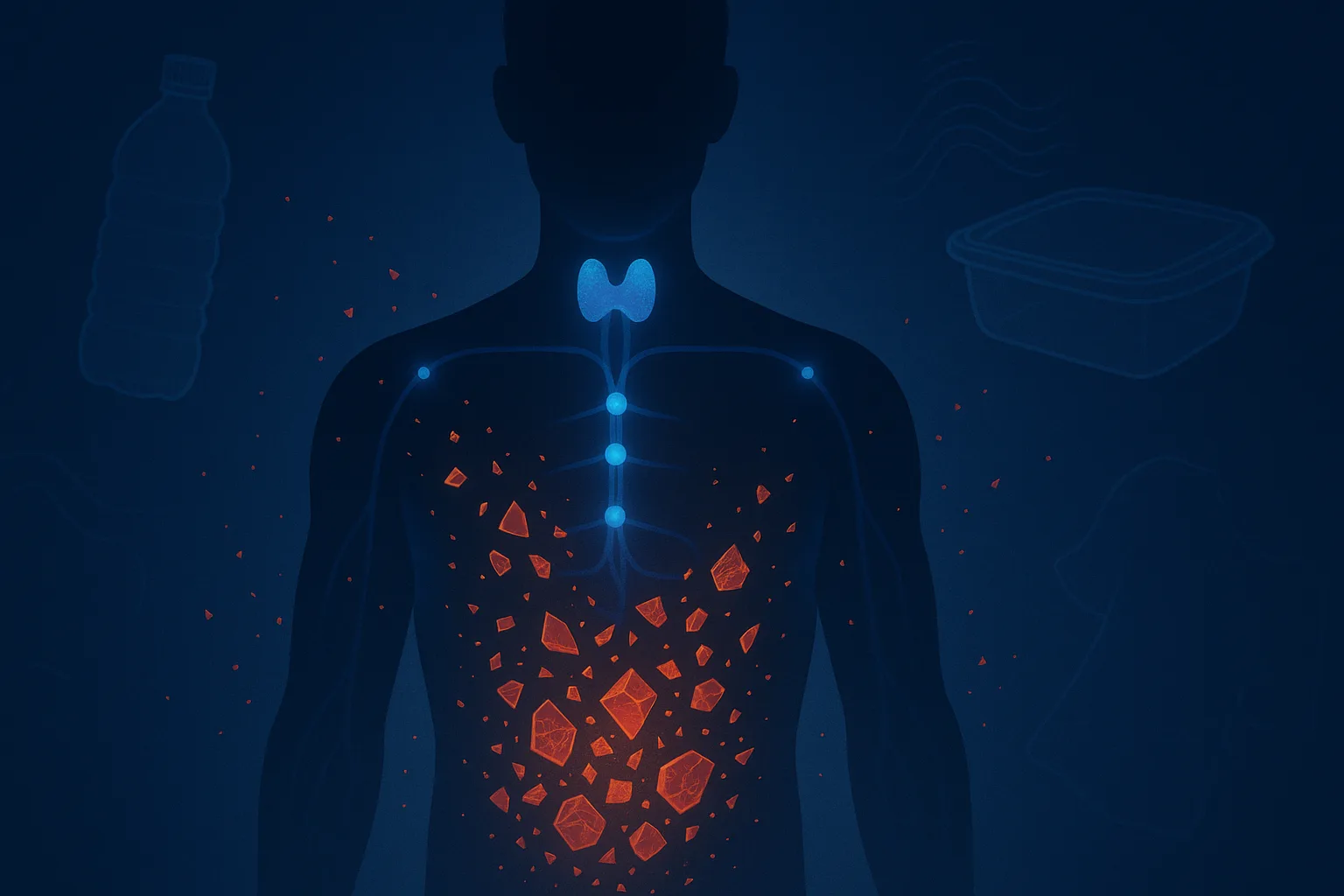
Microplastics are fragments of plastic smaller than 5 millimeters. They come from degrading packaging, synthetic clothing fibers, water bottles, food containers, and cosmetics. They are now found in human blood, lungs, placentas, and -- critically for hormone health -- in human testicles [2][3].
A 2024 study in Toxicological Sciences found microplastics in every single human testicle sample tested -- 23 out of 23 [2]. A separate 2025 study detected microplastics in 34 of 45 human semen samples, with men showing microplastic contamination demonstrating significantly lower sperm progressive motility (approximately 21% versus 35% in unexposed men) [3].
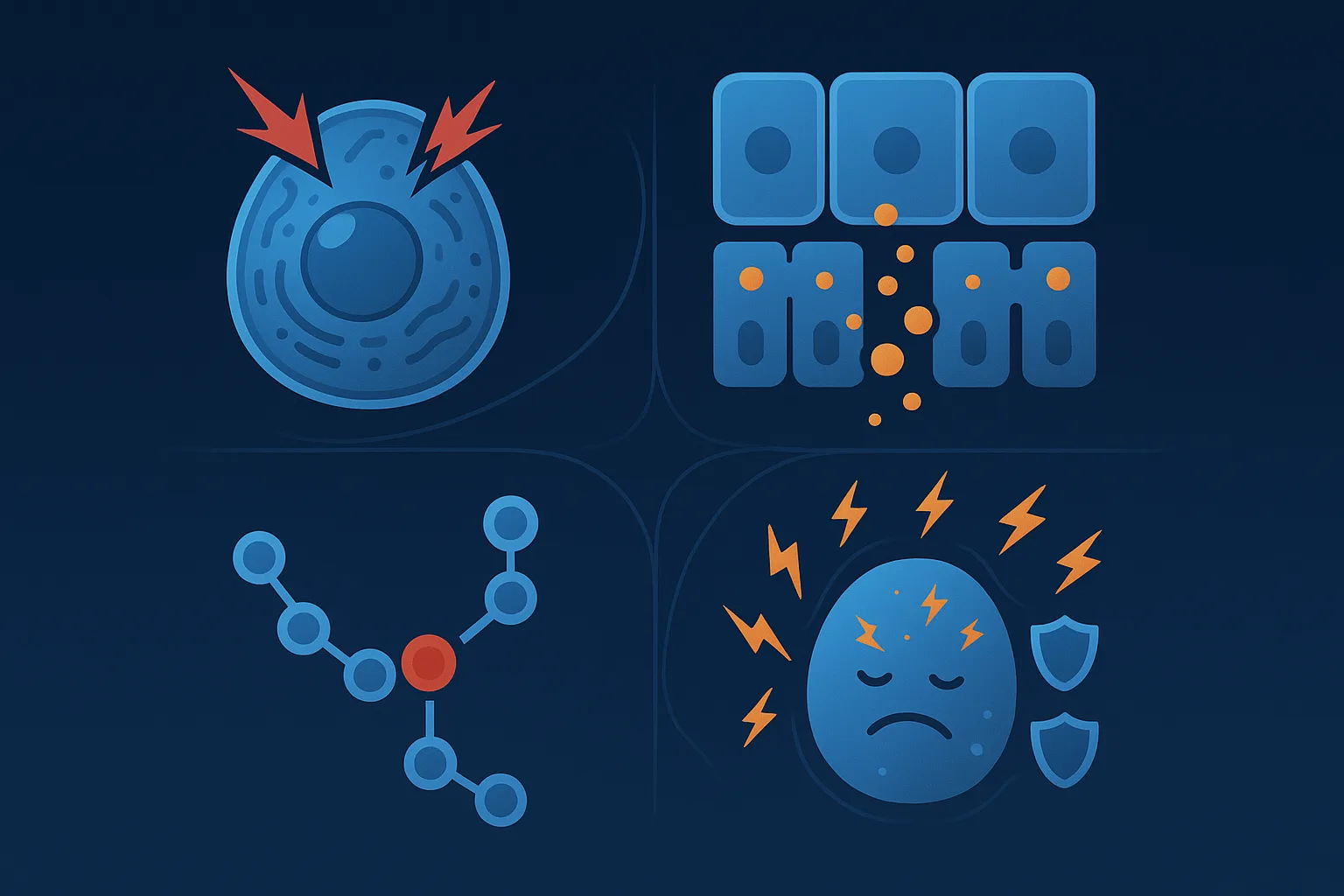
The damage occurs through four interconnected mechanisms [3][4]:
1. Leydig Cell Destruction
Leydig cells are the primary testosterone-producing cells in the testes. Microplastics reduce Leydig cell populations, cause condensed nuclei, and impair the cells' ability to synthesize testosterone. Studies show exposure decreases the expression of steroidogenic enzymes and the StAR protein, which is required for the first step of testosterone biosynthesis [3].
2. Blood-Testis Barrier Breach
The blood-testis barrier (BTB) is a protective wall of tight junctions between Sertoli cells that shields developing sperm from harmful substances in the bloodstream. Nanoplastics disrupt the production of occludin and claudin-11, two proteins essential to these junctions [4]. Once the barrier is breached, inflammatory molecules and toxins reach germ cells directly.
3. Hormonal Pathway Suppression
Microplastics suppress the LH-mediated LHR/cAMP/PKA/StAR pathway -- the signaling cascade that tells Leydig cells to produce testosterone. When this pathway is downregulated, both serum testosterone and intratesticular testosterone concentrations decline [3].
4. Oxidative Stress and Inflammation
Exposure triggers reactive oxygen species (ROS) production, overwhelming the testes' antioxidant defenses. The NF-kB inflammatory pathway becomes activated, increasing IL-6, IL-8, and TNF-alpha -- pro-inflammatory cytokines that further damage testicular tissue and accelerate aging of the reproductive system [3].
Endocrine Disruptors: The Chemicals Inside the Plastic
Microplastics are not just inert particles. They carry and release endocrine-disrupting chemicals (EDCs) that independently interfere with hormone signaling [1][5]:
BPA (Bisphenol A): Found in can linings, thermal receipts, and polycarbonate plastics. Mimics estrogen and suppresses androgen receptor activity.
Phthalates: Found in fragrances, vinyl flooring, food packaging, and personal care products. Have direct anti-androgenic effects -- they block testosterone and its precursors from exerting biological activity in the body.
PFAS (per- and polyfluoroalkyl substances): Found in nonstick cookware, water-resistant clothing, fast food wrappers, and contaminated water supplies. Studies show PFAS exposure causes Leydig cell hyperplasia and lower testosterone levels, and is associated with effects on fertility and fetal growth [5].
These chemicals do not need to be present in large quantities to cause harm. Many EDCs exert effects at very low concentrations -- parts per billion -- because they interact directly with hormone receptors [1].
The Sperm Count Crisis
The testosterone decline runs parallel to an equally alarming trend in male fertility. Global sperm counts have dropped 62% between 1973 and 2018 [6]. The rate of decline has accelerated since 2000.
Microplastic exposure contributes through multiple pathways: reduced sperm motility and viability, increased DNA fragmentation in sperm cells, and direct toxic effects on Sertoli cells (the "nurse cells" that support sperm development) [3].
A 2026 study in rats found that even low-dose polystyrene microplastic exposure impaired fertility outcomes, with researchers noting "significant histopathological changes in testicular architecture" [3].
For men on TRT who are preserving fertility with HCG or considering enclomiphene, understanding this environmental backdrop matters. The baseline fertility you are trying to protect may already be compromised by exposures you cannot see.
Other Factors Compounding the Decline
Microplastics and EDCs do not act alone. The secular testosterone decline is driven by a combination of modifiable factors [1]:
Obesity: Men with BMI above 35-40 can have up to 50% less testosterone than lean men. Fat tissue contains aromatase enzymes that convert testosterone to estrogen.
Sleep deprivation: Restricting sleep to 5 hours per night for just one week reduces testosterone by 10 to 15%.
Sugar consumption: High sugar intake causes acute testosterone decreases lasting more than two hours after consumption.
Chronic opioid use: Suppresses testosterone by nearly 50% in chronic users.
Physical inactivity: One-third of the global population falls below WHO exercise recommendations.
But here is the critical distinction: even after controlling for all of these factors, the decline persists. The environmental chemical burden appears to be an independent driver that cannot be explained away by lifestyle alone [1].
Practical Steps to Reduce Exposure
You cannot eliminate microplastic exposure in modern life. But you can meaningfully reduce it [6][7]:
Food and Water
Never heat food in plastic containers. Heat accelerates leaching of BPA, phthalates, and plastic particles into food. Use glass or ceramic in the microwave.
Filter your drinking water. Reverse osmosis systems remove microplastics. Bottled water is not a solution -- it often contains more microplastic particles than filtered tap water.
Choose fresh, whole foods over ultra-processed options in plastic packaging. The more processing and packaging, the more exposure.
Avoid nonstick cookware with PFAS-based coatings. Use cast iron, stainless steel, or ceramic instead.
Personal Environment
Store food in glass or stainless steel containers. Replace plastic food storage gradually.
Dust and vacuum regularly. Household dust is a significant source of microplastic fibers shed from synthetic textiles, carpets, and upholstery.
Choose natural-fiber clothing when possible. Synthetic fabrics (polyester, nylon, acrylic) shed microplastic fibers with every wash.
Check personal care products for microbeads and plastic-derived ingredients.
Supplemental Defense
Support antioxidant defenses through diet (berries, leafy greens, nuts) or targeted supplementation (vitamin C, vitamin E, selenium, zinc). Antioxidants help counteract the oxidative stress that microplastics cause in testicular tissue [3].
Maintain adequate vitamin D and zinc levels. Both are directly involved in testosterone synthesis and are commonly deficient in men with low testosterone [1].
When Lifestyle Changes Are Not Enough
Reducing exposure is necessary but may not be sufficient -- especially for men who already have symptoms of low testosterone.
If you are experiencing reduced libido, persistent fatigue, difficulty gaining or maintaining muscle, brain fog, or mood disturbances, the first step is a comprehensive blood test. A proper hormone panel should include:
Total testosterone (two morning draws, before 10 AM, fasting)
Free testosterone
SHBG (sex hormone-binding globulin)
Estradiol
LH and FSH
CBC (to check hematocrit baseline)
Two morning blood tests confirming total testosterone below 300 ng/dL with consistent symptoms meets the clinical definition of hypogonadism. At that point, testosterone replacement therapy may be indicated regardless of the cause -- whether it is age-related, obesity-related, or environmentally driven.
The distinction matters less than the outcome: if your testosterone is clinically low and you have symptoms, the cells producing your testosterone are not meeting demand. Whether microplastics, genetics, or lifestyle factors caused the deficit, the treatment approach is the same.
An online TRT clinic can coordinate testing, evaluation, and treatment without the months-long wait typical of endocrinologist referrals. When choosing a clinic, look for providers who run comprehensive bloodwork (not just total testosterone), monitor estradiol and hematocrit on therapy, and offer protocol flexibility including injection frequency options.
What the Research Means Going Forward
The evidence connecting microplastics to testosterone decline is still building. Most mechanistic data comes from animal models, and large-scale human clinical trials directly quantifying the dose-response relationship between microplastic exposure and testosterone levels do not yet exist [3][4].
But the convergence of evidence is striking: microplastics are in every testicle sample tested, the mechanisms of hormonal damage are well-characterized in laboratory models, population testosterone is falling even in men with stable weight, and the timeline of plastic production growth maps closely onto the timeline of testosterone and fertility decline [1][2][3].
The practical implications are clear. Reduce what you can control. Test what you cannot see. And if your levels are low, do not assume the problem will resolve on its own.
References
"Understanding the Secular Decline in Testosterone: Mechanisms, Consequences, and Clinical Perspectives." International Journal of Molecular Sciences, 2026. PMC12841019
"Microplastics in Human Testicles." Toxicological Sciences, 2024.
"Microplastics and male reproductive system: A comprehensive review based on cellular and molecular effects." PMC, 2026. PMC12937021
"Microplastics crossing the blood-testis barrier: A call to action for urological research." Current Urology, 2026. PMC12885661
"Impacts of environmental stressors on fertility and fecundity across taxa." npj Emerging Contaminants, 2026.
"Microplastics and Men's Sexual Health." Psychology Today, May 24, 2026.
"Chronic Polystyrene Microplastic Exposure Reduces Testosterone Levels in Mice through Mitochondrial Oxidative Stress." PMC, 2024. PMC11359750
Yes. Multiple studies confirm that microplastics suppress testosterone production through several mechanisms. They damage Leydig cells, which are the primary testosterone-producing cells in the testes. They also disrupt the LH-mediated steroidogenic pathway that controls testosterone synthesis, and they cause oxidative stress that impairs mitochondrial function in testicular tissue. A 2024 study found that chronic polystyrene microplastic exposure reduces testosterone levels in mice through mitochondrial oxidative stress and BAX/BCL2-mediated apoptosis. While most direct evidence comes from animal models, microplastics have been confirmed in 100% of human testicle samples tested, and population-level testosterone has been declining 0.5 to 1.0% annually across diverse populations for decades.
How much has male testosterone declined?
Population-level testosterone has fallen significantly over the past several decades. Among U.S. adolescents, mean total testosterone dropped from 605 ng/dL to 451 ng/dL between 1999 and 2016, a 25% decrease over 17 years. In a study of Air Force veterans, levels fell from 638 ng/dL to 431 ng/dL between 1982 and 2002, a 33% decline over 20 years. The annual rate of decline is estimated at 0.5 to 1.0% across diverse populations. Critically, even men who maintained constant weight or lost weight during longitudinal follow-up experienced significant testosterone declines, with mean testosterone declining 117 ng/dL (19%) over 20 years, indicating that obesity alone does not explain this trend.
What are the worst sources of microplastic and endocrine disruptor exposure?
The highest-risk sources include heating food in plastic containers (which accelerates chemical leaching), drinking unfiltered tap or bottled water (bottled water can contain hundreds of thousands of plastic particles per liter), consuming ultra-processed foods in plastic packaging, and exposure to household dust containing microplastic fibers from synthetic textiles. Personal care products containing microbeads are another source. Specific chemicals to watch for include BPA (found in can linings and receipts), phthalates (found in fragrances, vinyl, and food packaging), and PFAS (found in nonstick cookware, water-resistant clothing, and food wrappers). Opting for glass or stainless steel storage, filtering water with a reverse osmosis system, choosing fresh whole foods, and reducing synthetic textile exposure can meaningfully lower your daily intake.
Should I get my testosterone tested if I'm concerned about microplastic exposure?
Yes. If you have symptoms consistent with low testosterone, including reduced libido, fatigue, difficulty building muscle, brain fog, or mood changes, testing is the only way to know whether your levels are actually low. A comprehensive hormone panel should include total testosterone, free testosterone, SHBG, estradiol, LH, and FSH. Two morning blood draws (before 10 AM, fasting) confirming total testosterone below 300 ng/dL with consistent symptoms meets the clinical threshold for hypogonadism. An online TRT clinic can coordinate testing and evaluation without the months-long wait for an endocrinologist appointment.
Can lifestyle changes reverse testosterone decline from environmental exposure?
Lifestyle optimization can meaningfully raise testosterone but may not fully reverse environmental damage, especially in men with clinically confirmed hypogonadism. Weight loss in overweight men can increase testosterone by up to 83 ng/dL. Improving sleep from 5 hours to 7 or more hours per night can recover the 10 to 15% reduction caused by sleep deprivation. Regular resistance training, stress management, and reducing sugar intake all contribute. However, for men with total testosterone consistently below 300 ng/dL despite lifestyle optimization, testosterone replacement therapy may be necessary. The environmental exposures driving population-level decline cannot be fully eliminated through individual action alone, which is why monitoring your levels and working with a qualified clinic matters.