This article reports what published clinical literature and TRT prescribing experience describe about testicular atrophy on testosterone therapy. It is not medical advice. HCG use, dosing, and any change to a TRT protocol require a licensed prescriber and lab monitoring.
Of all the side effects men worry about before starting testosterone replacement therapy, testicular shrinkage is the one that gets whispered about the most and explained the least. It is real, it is common, and it is also one of the most predictable and manageable effects of the entire treatment. The men who panic about it are usually the ones who were never told why it happens or that there is a clean, well-established way to prevent it.
This article covers exactly why the testes shrink on TRT, how much volume men actually lose, whether the change is reversible, and how HCG fits into both prevention and recovery. The mechanism is simple once you see it, and understanding it removes most of the fear.
Why Testicles Shrink on TRT
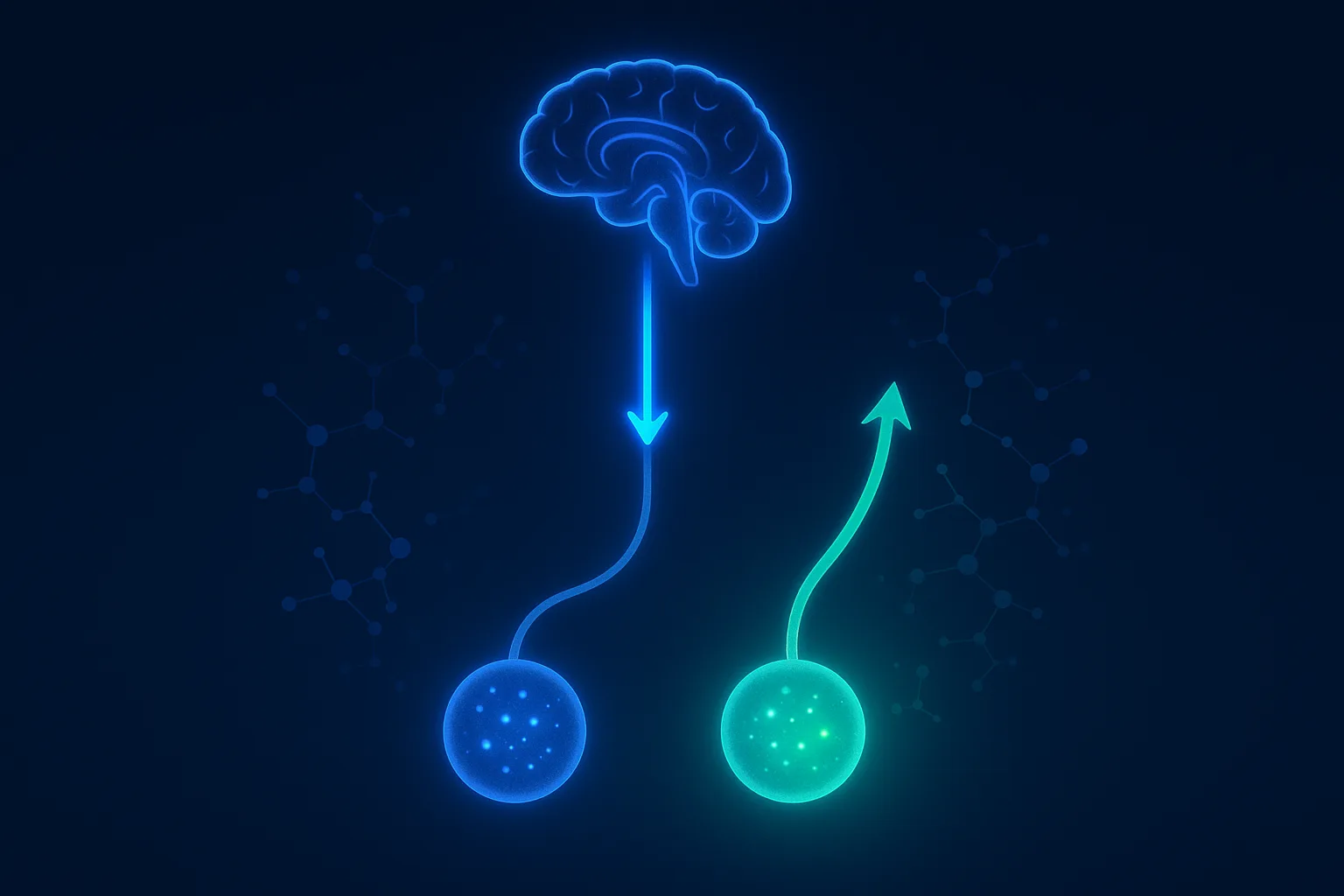
Your testicles do two jobs: they make testosterone, and they make sperm. Both jobs are driven from the brain. The hypothalamus and pituitary send down two signaling hormones — luteinizing hormone (LH) and follicle-stimulating hormone (FSH). LH tells the Leydig cells to produce testosterone inside the testes. FSH supports sperm production.
When you inject testosterone from outside the body, your brain detects that blood testosterone is high and concludes the testes no longer need prompting. It switches off LH and FSH. This is the same negative-feedback loop that governs the entire hypothalamic-pituitary axis that TRT works through — and it is working exactly as designed.
Here is the part most men miss: the testosterone level inside the testes — intratesticular testosterone — is normally 50 to 100 times higher than the level in your bloodstream. TRT raises your blood testosterone but does nothing for the intratesticular level. In fact, by shutting off LH, it causes intratesticular testosterone to collapse. The testicular tissue that depends on that local hormone bath — the same tissue that drives sperm production — goes quiet and loses volume. That is the shrinkage.
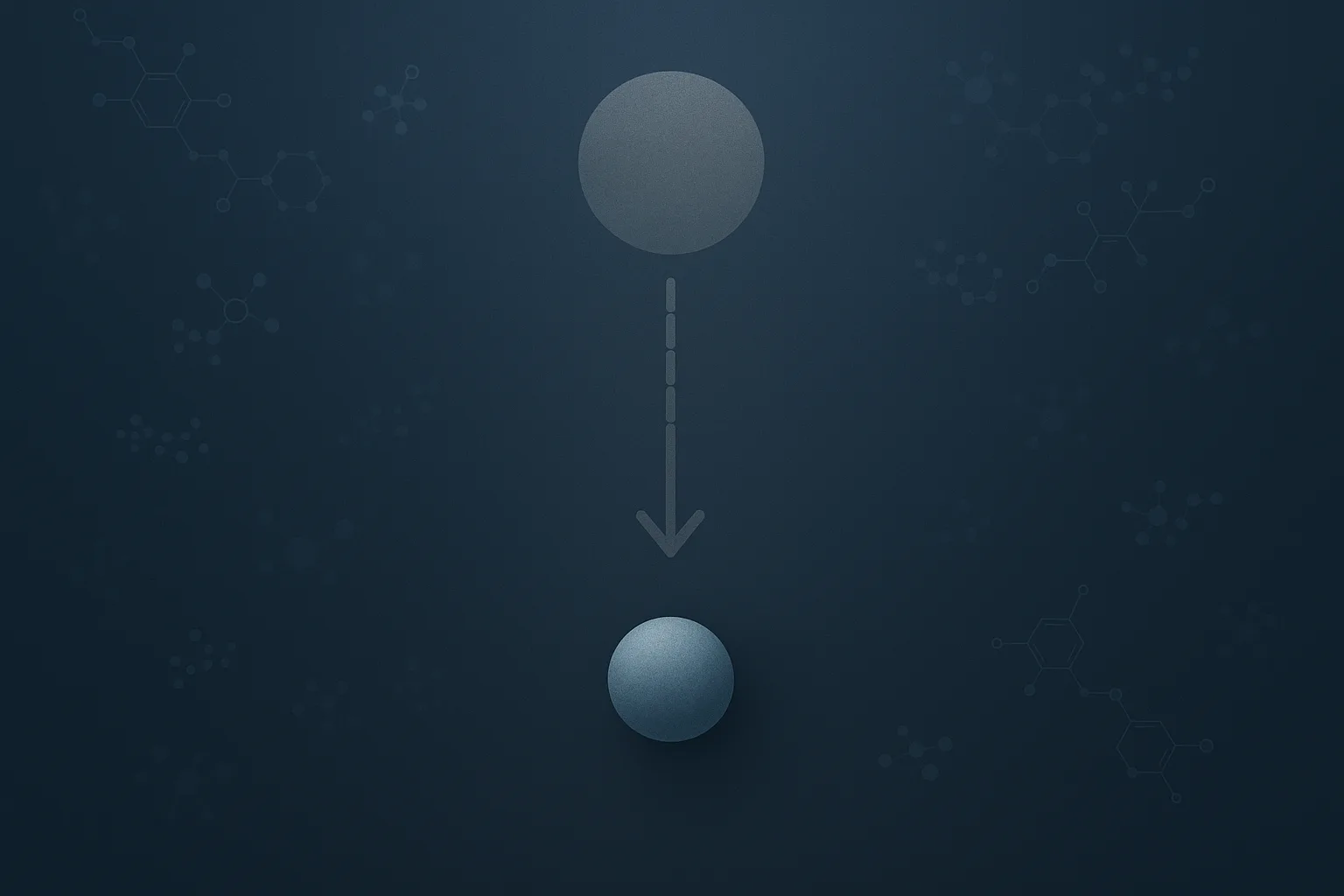
So the shrinkage is not damage in the usual sense. It is a working organ being told to stand down. The cells are mostly still there; they are just dormant.
How Much Volume Do Men Actually Lose
The honest answer is that it varies widely. Most men who run testosterone without any LH-mimicking support notice a 10 to 30 percent reduction in testicular volume, and it becomes apparent over the first two to four months, progressing over roughly six to eighteen months of continued treatment.
For some men the change is barely perceptible. For others it is obvious to the touch. The softness men describe — testes feeling less firm — is part of the same process, since the internal machinery is less active. None of this is dangerous to general health. The concern is twofold: the cosmetic and psychological discomfort, and the fertility implications, which are real and which we cover below.
For the large majority of men, yes. Because the atrophy reflects suppressed function rather than destroyed tissue, restoring the LH signal — or removing the testosterone that suppressed it — brings volume back. The standard tool for restoring that signal while staying on TRT is HCG.
The caveat is time. Recovery is gradual and depends on how long the testes were suppressed before intervention and on individual responsiveness to stimulation. A man who adds HCG after a few months of TRT generally recovers more completely and faster than one who waited several years. This is the single best argument for addressing atrophy early rather than treating it as an afterthought.
How HCG Prevents and Reverses Atrophy
HCG (human chorionic gonadotropin) is structurally similar enough to LH that it binds the same receptors on the Leydig cells. From the testicle's point of view, HCG is the missing LH signal. It re-activates testosterone production inside the testes, restores intratesticular testosterone, and keeps the tissue working even while exogenous testosterone suppresses the brain's own LH.
That is why HCG does two things at once:
Run from the start, it prevents shrinkage by never letting the testes go fully dormant.
Added after atrophy has set in, it reverses much of it, with most men reporting meaningful improvement in volume over two to four months.
Typical prevention dosing sits around 250 to 500 IU subcutaneously, two to three times per week, alongside the testosterone protocol. Smaller, more frequent doses tend to maintain testicular size without driving estradiol up sharply — relevant because HCG can raise estradiol, and an over-aggressive HCG dose can recreate the same estrogen problems covered in our guide to estradiol management on TRT. Reversal protocols sometimes use the same or slightly higher dosing, set by a prescriber and tracked with bloodwork.
HCG is not a casual add-on. It changes the hormonal picture, requires its own monitoring, and should be dosed by a clinician who is also watching estradiol and overall response. A clinic that reflexively ignores testicular preservation, or that has no plan for it, is worth a second look — the same scrutiny we apply in our TRT clinic red flags breakdown.
Shrinkage, Fertility, and Why They Travel Together
Testicular shrinkage and reduced fertility are not separate side effects — they are two faces of the same suppression. The collapse in intratesticular testosterone that shrinks the testes is also what crashes sperm production, because spermatogenesis requires that high local testosterone environment that TRT alone eliminates.
This is why any man who wants to preserve the option of fathering children should not treat shrinkage as merely cosmetic. The protocol that keeps the testes full is the same one that keeps sperm production alive. We cover the dedicated fertility side of this in the HCG for fertility on TRT guide, and the broader picture in the TRT and fertility complete guide. If fertility matters to you at all, plan the protocol before you start, not after.
What Happens If You Stop TRT
Stopping testosterone removes the suppression and allows the brain to resume sending LH and FSH. For most men, testicular size and function recover over a period of months. The timeline is variable, and older men or those suppressed for many years may recover more slowly or need a structured restart protocol to nudge the axis back online. This recovery process — and how to manage it — overlaps heavily with what we cover in coming off TRT.
The takeaway is that testicular shrinkage is rarely a one-way door. It is a managed, predictable, and usually reversible consequence of how TRT works.
Choosing a Clinic That Takes This Seriously
Whether a clinic offers HCG, how it doses it, and whether it monitors testicular health and fertility at all are real differentiators between providers. Some build preservation into the default protocol; others treat it as an afterthought or do not offer it. If maintaining testicular volume or fertility matters to you, this should be an explicit question during your consult. You can compare which providers handle protocol depth, HCG availability, and monitoring well on our independent clinic comparison, and use our how to choose a TRT clinic framework to weigh it against pricing and physician access.
The Bottom Line
Testicular shrinkage on TRT is common, mechanistically simple, and largely preventable. It happens because exogenous testosterone shuts off the brain's LH signal, collapsing the intratesticular testosterone that keeps the testes full and producing sperm. HCG restores that signal — preventing shrinkage when run from the start and reversing much of it when added later, usually over two to four months. For the great majority of men the change is not permanent. The men who handle it best are the ones who understood it going in and built preservation into their protocol from day one rather than scrambling to fix it afterward.
Frequently Asked Questions
Does TRT shrink your testicles?
For most men, yes, to some degree. Exogenous testosterone shuts down the brain signals (LH and FSH) that tell the testicles to work. With those signals switched off, intratesticular testosterone collapses and the testes lose volume, typically a noticeable 10-30 percent reduction over the first several months. The change is usually mild to moderate, varies a lot between men, and is largely preventable with HCG.
Is testicular shrinkage on TRT permanent?
Usually not. In most men the atrophy reflects suppressed function rather than dead tissue, and adding HCG or stopping testosterone restores much of the lost volume. Recovery is gradual, often taking two to four months once HCG is started. Men who go many years without any LH-mimicking support before intervening may recover less completely, which is why earlier action is better.
How much HCG prevents testicular atrophy?
A common prevention range is roughly 250-500 IU injected subcutaneously two to three times per week, run alongside testosterone. Lower, more frequent dosing tends to maintain testicular volume while keeping estradiol from climbing too high. Exact dosing must be set and monitored by a prescriber, since HCG raises estradiol in some men and requires lab follow-up.
Can HCG reverse shrinkage that already happened?
Often yes. HCG mimics LH and re-stimulates the Leydig cells, restoring intratesticular testosterone and rebuilding volume over roughly two to four months. The degree of reversal depends on how long the testes were suppressed and individual responsiveness, so results vary and should be tracked with a clinician.
Does testicular shrinkage on TRT affect fertility?
It can. The same suppression that shrinks the testes also drops sperm production, because spermatogenesis depends on high intratesticular testosterone that TRT alone wipes out. HCG helps preserve both volume and fertility by keeping the testes active. Men who want to father children on TRT should plan fertility-preserving protocols before starting.
Will my testicles go back to normal if I stop TRT?
In most men, stopping testosterone allows the natural LH and FSH signal to resume and the testes to recover size and function over months, though the timeline varies and some men need a structured restart protocol. Recovery tends to be slower and less certain the longer someone has been suppressed and the older they are.